


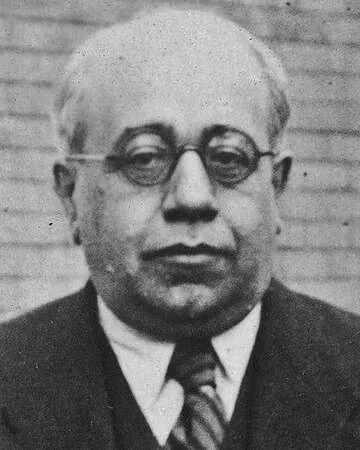
Manuel Azaña: A Visionary Leader in Turbulent Times
Manuel Azaña was a pivotal figure in Spanish history, serving as the **Prime Minister of Spain** from 1931 to 1933 and as the **2nd President of the Spanish Republic** from 1936 until 1939. Born in **Alcalá de Henares, Spain** on January 10, 1880, Azaña was an influential politician, writer, and intellectual who sought to implement significant reforms in a country rife with political turmoil and social unrest.
Azaña's leadership emerged during a period marked by the struggle for democracy in Spain. He was a key player in the establishment of the **Second Spanish Republic**, which aimed to bring about profound changes, including land reforms, educational expansion, and the separation of church and state. His dedication to reform and modernity positioned him as a central figure in the fight against fascism during a time of great ideological divisions.
Manuel Azaña's Early Years
Born to a middle-class family, Azaña pursued an education in law and literature. His intellectual background greatly influenced his political thoughts. He was passionate about **social justice** and became known for his critiques of the monarchy and traditional institutions in Spain. His early political career began with his participation in the **Republican Left**, a group advocating for a secular and democratic state.
Manuel Azaña as Prime Minister
During his tenure as Prime Minister from 1931 to 1933, Azaña implemented a series of controversial reforms that aimed to modernize Spain. His policies included agrarian reform and efforts to improve education, which made him a polarizing figure. **Opposition** to his reforms from conservative factions led to political instability, and after his resignation, he continued to advocate for republican principles.
The Presidency and Civil War Legacy
Azaña was elected as President of the Republic in 1936. His presidency was overshadowed by the rising tides of the **Spanish Civil War**, which erupted shortly after his election. As a leader, Azaña struggled to unify a country divided between the Republicans and Nationalists, showcasing his resolve in advocating for a democratic solution to the conflict.
Manuel Azaña During the Civil War
Throughout the Civil War, Azaña worked tirelessly to rally support for the Republican cause, often facing challenges from within his own ranks. His government dealt with internal strife and external threats from Francisco Franco's **Nationalist forces**. Azaña's period as President ended tragically with the defeat of the Republicans in 1939, forcing him into exile.
Azaña's Impact and Legacy
Manuel Azaña's influence extends beyond his political career; he remains a symbol of the fight for democracy in Spain. His writings express his commitment to progress and social change, resonating with future generations. Despite his challenges, Azaña’s vision for a democratic and modern Spain continues to inspire those who seek justice and equality.
Fun Fact
Manuel Azaña’s Fascinating Legacy
A lesser-known fact about Azaña is that he was also a prolific writer, and his works often criticized the socio-political environment of his time. His literary contributions are sometimes overshadowed by his political career, but they provide significant insight into his thoughts and motivations.
Additional Resources
Recommended Reading on Manuel Azaña
For those interested in diving deeper into the life and legacy of Manuel Azaña, I recommend Azaña: A Biography by Julián Casanova and The Spanish Civil War by Antony Beevor. These texts provide a comprehensive understanding of Azaña’s impact on Spain and the turbulent period of the Civil War.




 Continue with Google