


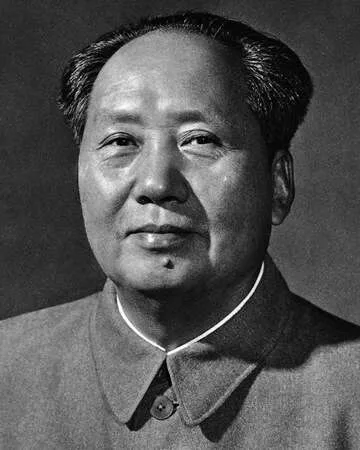
Mao Zedong Resigns: A Turning Point in Chinese History
In 1959, Mao Zedong, the prominent leader of the People's Republic of China (PRC), officially resigned as Chairman, marking a significant event in Chinese political history. This decision came after the catastrophic impacts of his ambitious economic campaign known as the Great Leap Forward. The initiative, intended to transform China into a socialist society through rapid industrialization and collectivization, instead led to widespread famine and economic turmoil.
The Great Leap Forward's Catastrophic Impact
The Great Leap Forward, launched in 1958, aimed to boost agricultural and industrial production through collective farming and backyard steel furnaces. However, due to unrealistic targets and poor planning, it resulted in the deaths of millions and a severe decline in agricultural output. By 1959, reports of famine were rampant, and despite the dire situation, the central government under Mao continued to project confidence. The inevitable failure of this campaign forced Mao to rethink his leadership role.
Mao's Resignation: A Watershed Moment
Mao's resignation in 1959 illustrated the shifting dynamics within the Communist Party. After considerable internal criticism and the evident failures of the Great Leap Forward, Mao chose to step down as Chairman, although he remained influential in party affairs. His resignation was seen as a recognition of the dire consequences of his policies, and it marked the beginning of a gradual shift in leadership style within the PRC.
The Road to Recovery Post-Mao's Resignation
The aftermath of Mao's resignation saw the PRC navigating through a tumultuous period. The leadership took steps to reform agricultural policies and stabilize the economy. Deng Xiaoping began to rise in prominence, advocating for more pragmatic policies that would eventually lead to China's opening up in the late 20th century.
The Legacy of Mao Zedong
Despite resigning, Mao's policies continued to influence China for decades. His push for rapid industrialization and collectivization remained a critical part of the Communist Party's narrative. The long-term effects of the Great Leap Forward and Mao's resignation had a profound impact on subsequent generations and shaped modern Chinese policies.
Lessons from Failure
Mao's resignation served as a fundamental lesson in governance and economic management. It highlighted the consequences of ambitious political campaigns that disregard practical realities. The experiences of the Great Leap Forward resonate today, reminding political leaders of the importance of planning, feasibility, and the need for addressing human needs in policy-making.
Fun Fact
Mao Zedong’s Interesting Fact
Despite his resignation, Mao Zedong remained a significant figure in Chinese history and was instrumental in shaping modern China until his death in 1976. His image continues to be a symbol of the Communist movement worldwide.
Additional Resources
Recommended Reading on Mao Zedong
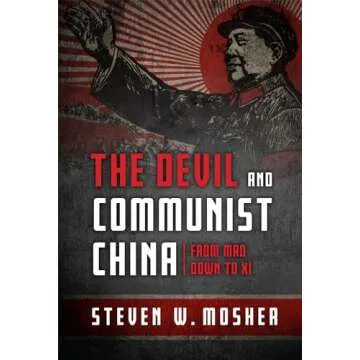
For those interested in exploring more about Mao Zedong and this pivotal time in history, consider reading The Private Life of Chairman Mao by







 Continue with Google