


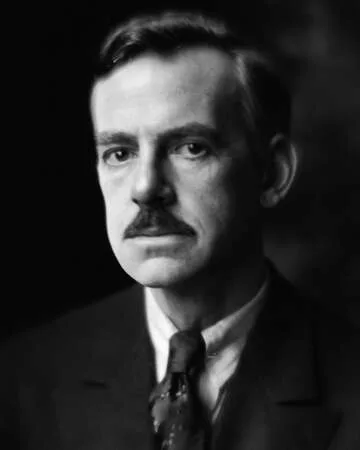
The Premiere of Eugene O'Neill's Masterpiece
What is "Mourning Becomes Electra"?
Mourning Becomes Electra is a profound and innovative trilogy of plays written by the American playwright Eugene O'Neill. First premiered in 1931, this work modernizes the ancient Greek tragedy, particularly utilizing themes from Aeschylus's works to create a contemporary American setting. The play was groundbreaking for its time, addressing topics such as familial duty, vengeance, and the inescapability of the past.
The Setting of the Play Cycle
The narrative unfolds in New England after the end of the Civil War, focusing primarily on the Mannon family, who bear the weight of dark secrets and tragic fates. With its intense emotional landscapes and complex character portrayals, Mourning Becomes Electra is heralded as a significant achievement in American theater, shifting how dynamic characters are developed on stage.
The Impact of the 1931 Premiere
Audience Reception in New York City
Influence on Theater and Beyond
The influence of Mourning Becomes Electra cannot be overstated; it opened avenues for exploring psychological realism in drama which can still be felt in contemporary theater today. Many argue that O'Neill set the stage for future playwrights to delve into the complexities of human emotions and familial ties, leaving an indelible mark on the art form.
Fun Fact
Did You Know?
One fascinating tidbit about Mourning Becomes Electra is that it was initially written as a loose adaptation of Oresteia, which features the themes of revenge and the cyclical nature of violence, drawing parallels to the Mannon family's saga.
Additional Resources
Recommended Reading on Eugene O'Neill
For those interested in exploring more about O'Neill's work, consider reading “Long Day's Journey Into Night” and “The Iceman Cometh”, both showcasing his notable style and depth in storytelling.












 Continue with Google