


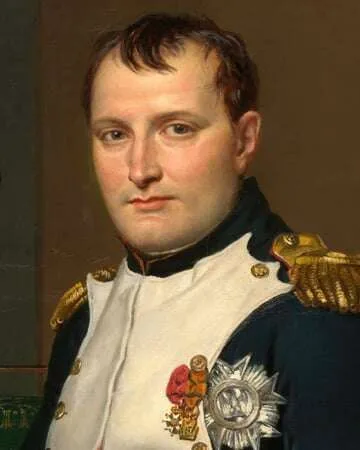
Napoléon's Historic Appointment as Commander-in-Chief
In 1796, the French Revolutionary Wars witnessed a pivotal moment when Napoléon Bonaparte was appointed as the Commander-in-Chief of the French army in Italy. This strategic move was instrumental not only for France's military ambitions but also for Napoléon’s personal ascent within the ranks of military leadership.
At the young age of 26, Napoléon’s appointment laid the groundwork for a series of brilliant military campaigns that would redefine France’s landscape in Europe. Faced with a challenging situation, where the French army was demoralized following a series of defeats, Napoléon’s leadership was timely. His innovative strategies and charismatic command would soon turn the tide against the Coalition forces.
Strategic Importance of the Italian Campaign
The Italian Campaign under Napoléon went beyond mere military action; it was about securing France’s borders and expanding its influence in Europe. The Italian territories were valuable for trade, resources, and strategic military positioning. France’s presence in Italy threatened the established powers of Austria and Prussia.
Early Achievements in Italy
From the outset, Napoléon’s leadership style was marked by rapid movements and swift engagements. His first major victory at the Battle of Montenotte showcased his ability to outmaneuver and outthink his opponents. His victories in subsequent battles, such as the battles of Lodi and Arcole, cemented his reputation as a military genius and won him accolades from both soldiers and civilians alike.
Influence on Napoléon's Future
Napoléon’s success in Italy during 1796 not only established his reputation but also paved the way for his political rise. The campaign was a public relations triumph that endeared him to the French populace, subsequently leading to his ascent as one of the most powerful figures in French history.
Impact on French Society
Under Napoléon’s command, the military successes in Italy highlighted the need for reforms in French society and military. His returns from war were celebrated, and he became a symbol of national pride and revolutionary fervor. The narrative of a strong leader doing well on the battlefield became deeply ingrained in the French psyche.
Napoléon's Vision for France
From his victories in Italy, Napoléon formulated a vision of a unified and powerful France, free from the chaos of the past years of the Revolution. He understood that military success could translate into political power, marking a shift in how leaders were perceived in post-revolutionary France.
Fun Fact
The Age of Greatness: Napoléon's Early Years
Interestingly, Napoléon was only 26 years old when he assumed command in Italy, making him one of the youngest leaders of his time to take charge of such a significant military campaign.
Additional Resources
Recommended Reading on Napoléon Bonaparte
For those keen to dive deeper into the life of Napoléon Bonaparte and his military strategies, consider reading "Napoleon: A Life" by Andrew Roberts or "Napoleon's Wars: An International History" by Charles Esdaile.












 Continue with Google