


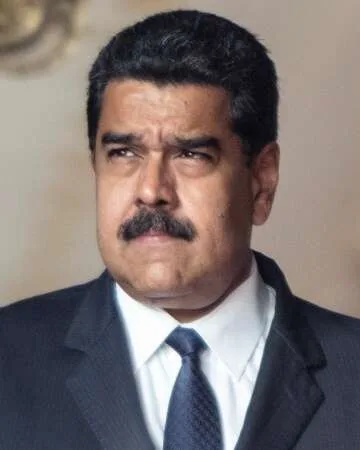
The 2013 Presidential Election in Venezuela
In April 2013, Venezuela witnessed a pivotal event in its political landscape with the presidential election that saw Nicolás Maduro succeed the late Hugo Chávez. This election was marked by intense emotions and a highly charged atmosphere, as it came just weeks after Chávez's death from cancer. Maduro, who was Chávez's handpicked successor, faced fierce competition and significant expectations from both supporters and opponents alike.
Nicolás Maduro's Campaign and Challenges
Nicolás Maduro campaigned vigorously, appealing to Chávez’s legacy and portraying himself as the protector of the “Bolivarian Revolution.” His platform focused on continuing Chávez's policies, which included extensive social programs aimed at aiding the poor. However, he faced several challenges, including accusations of authoritarianism and a struggling economy that included shortages of basic goods. The election took place amid high polarization and tensions between different factions within society, as Maduro attempted to galvanize Chávez's loyal base while also trying to sway undecided voters.
Opposition Candidate and Public Sentiment
The main opposition candidate was Henrique Capriles, who had run against Chávez in the 2012 election. Capriles positioned himself as a candidate of change, advocating reforms to address the economic struggles and corruption issues plaguing the country. As the election day approached, there was a palpable rivalry and mobilization of both camps, with a high turnout anticipated from citizens eager to voice their opinions in the wake of Chávez's authoritarian style.
The Election Outcome and Aftermath
Maduro won the election by a narrow margin, securing approximately 50.6% of the votes compared to Capriles' 49.1%. However, the legitimacy of the results was quickly questioned by the opposition, who claimed electoral fraud. This lead to protests across the country as Capriles called for a recount amidst widespread allegations of irregularities during the voting process, highlighting the deep divisions within Venezuelan society.
Implications of Maduro's Victory
Nicolás Maduro's victory solidified the continuation of Chávez's policies but also deepened political unrest. The subsequent months saw ongoing protests and political turmoil, as Maduro struggled to unite a country fraught with economic challenges and a fractured political climate. This election can be seen as a crucial turning point, not just for Venezuela, but for the broader political landscape in Latin America.
The Legacy of Chávez and Maduro's Rule
The 2013 election marked a significant moment of reflection on Chávez’s legacy and the direction Venezuela would take under Maduro's leadership. Supporters lauded the social progress made during Chávez's years while critics pointed to economic instability and diminished democratic institutions. Maduro's governance faced continued scrutiny both domestically and internationally as his presidency unfolded.
Fun Fact
Nicolás Maduro’s Interesting Fact
Before entering politics, Nicolás Maduro had a brief career as a bus driver in Caracas and even grew up in a modest neighborhood, which often influenced his strong connections to the working-class citizens of Venezuela. This background shaped his perception of social justice and equality.
Additional Resources
Recommended Reading on Nicolás Maduro
For those interested in learning more about this crucial period in Venezuelan history, consider reading “Hugo Chávez: My Life” for insight into Chávez's influence on Maduro, or “Maduro: The Rise of Venezuela's New Dictator” for a critical analysis of Maduro's presidency.




 Continue with Google