


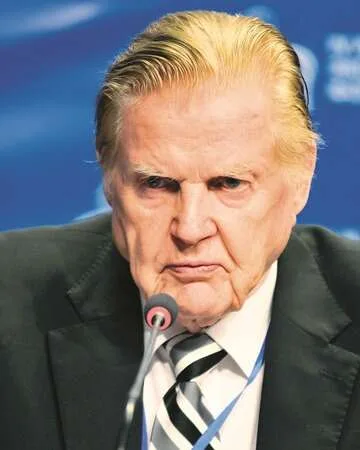
Robert Mundell: A Pioneer in Economics
Robert Mundell's Early Contributions
Born in 1932 in Kingston, Ontario, Robert Mundell made significant strides in the field of economics from an early age. His work primarily focused on the role of monetary policies in economies, and he is best known for developing the theory of optimum currency areas, which addresses how different regions can benefit from the adoption of a common currency.
The Foundation of Modern Monetary Policy
Mundell's groundbreaking theories laid the groundwork for understanding how fiscal and monetary policies interact. His insights were crucial in shaping modern economic strategies and have been implemented by many countries around the world, showcasing the importance of his work in the realms of international economics.
The Nobel Prize Recognition
Winning the Nobel Prize for Economics in 1999
In 1999, Robert Mundell was awarded the prestigious Nobel Memorial Prize in Economics. The Nobel Committee recognized his seminal contributions to the field, especially his work on the implications of monetary policy for the economy. This award heralded a new era for discussions surrounding currency unions and monetary stability.
The Impact of Mundell's Work
His theories not only influence academic research but also have had profound implications for major economic institutions and global financial systems. Mundell’s ideas serve as a vital framework for understanding the dynamics of currency zones and their operational strategies, particularly in the European Union.
Fun Fact
Robert Mundell’s Interesting Fact
Interestingly, Robert Mundell's work inspired the design of the Euro, as policymakers utilized his theories on optimum currency areas to determine the feasibility of a shared currency among European nations.
Additional Resources
Recommended Reading on Robert Mundell
For deeper exploration into Robert Mundell's theories, consider reading The Free Economy and the Strong State and International Economics. These foundational texts provide further insights into his economic philosophies and contributions.






 Continue with Google