


A Significant Apology in U.S. History
Barack Obama’s Apology to Doctors Without Borders
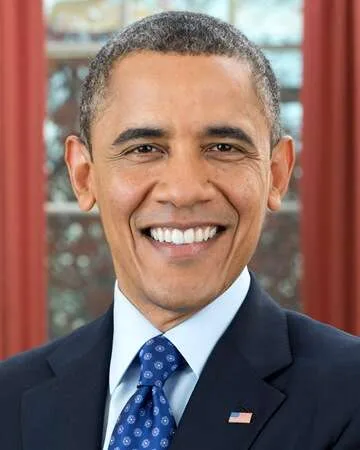
On October 3, 2015, a tragic event occurred when a hospital operated by Doctors Without Borders in Kunduz, Afghanistan, was bombed by U.S. forces. This incident resulted in the loss of 42 lives, including patients and medical staff, which led to immense outrage and grief both locally and internationally. On October 7, President Barack Obama publicly apologized for the attack, acknowledging that the bombing was a mistake and reaffirming the U.S. commitment to protecting healthcare facilities in conflict zones.
The Impact of the Kunduz Incident
The bombing of the Kunduz hospital was not merely a loss of life; it raised ethical questions regarding the conduct of war and the protections afforded to medical personnel. President Obama expressed deep regret, stating that such incidents underscore the complexities and dangers of military operations. His apology was significant not only for acknowledging the error but also for attempting to rebuild trust with humanitarian organizations.
Responses and Reactions
Doctors Without Borders’ Reaction
Following the apology, Doctors Without Borders (Médecins Sans Frontières - MSF) demanded an independent investigation into the bombing. The organization highlighted that the U.S. military had received clear coordinates of the hospital prior to the attack and insisted that such an event should never prevail in a conflict where medical establishments should be safeguarded.
Broader Implications for U.S. Military Engagement
Obama's apology exemplified the challenges the U.S. faced in balancing military objectives with humanitarian obligations. The incident served as a catalyst for discussions regarding the rules of engagement and the need for improved protocols to prevent future mishaps. Critics used this moment to emphasize the need for more substantial oversight and accountability in military operations.
Fun Fact
A Sad but Memorable Event
Interestingly, the Kunduz hospital bombing was one of the rare instances where a U.S. president openly apologized for military operations that led to civilian casualties, highlighting the evolving responsibility of military powers to safeguard professional medical interventions.
Additional Resources
Recommended Reading on Doctors Without Borders
For those interested in exploring more about the organization’s impact and operations, consider reading "Humanitarianism in Crisis: Global Politics in a Changing World" and "Axis of Hope: The Humanitarian Crisis in Afghanistan".












 Continue with Google