


The Birth of a Renaissance Leader
Pope Pius IV, born Gianangelo de' Medici in 1499 in Milan, was a notable figure during the Renaissance period, renowned for his influence on the Catholic Church and its reforms. Ascending to the papacy in 1559, he held the position until his death in 1565, making significant contributions that shaped the Church's future. His leadership coincided with a time of turmoil in Europe, characterized by the Protestant Reformation. Pius IV sought to address the challenges posed by this schism and worked diligently to unite the Catholic Church.
Gianangelo de' Medici: Early Life and Career
Gianangelo de' Medici, born into one of the most prominent families in Italy, demonstrated a keen intellect and a strong interest in law, which paved the way for his entrance into the ecclesiastical career. As a young lawyer, he garnered respect and influence, which later aided his journey to become Pope. Before ascending to the papacy, Gianangelo held various high-ranking positions within the Church, showcasing his dedication and skills as a servant of the faith.
Pope Pius IV's Reforms and Contributions
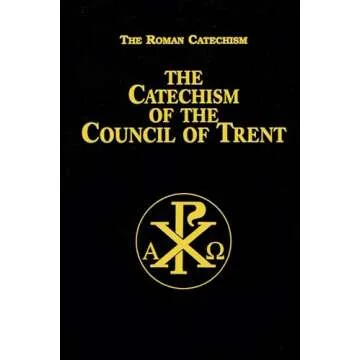
As Pope, Pius IV convened the Council of Trent in 1563, a crucial event aiming to address doctrinal issues and reform church practices in light of the Protestant Reformers' criticisms. His efforts helped to clarify Catholic doctrine and counteract the spread of Protestantism. Pius IV's commitment to reform and education played a critical role in revitalizing the Church and restoring its integrity during a crucial juncture in history.
Pope Pius IV’s Lasting Impact on the Catholic Church
The legacy of Pope Pius IV is closely linked with the Catholic Church's approach to modernity and reform. His reign marked a pivotal period where the Church sought to not only recover from internal and external pressures but also to affirm its mission in a changing world.
The Council of Trent's Influence
Pope Pius IV ensured the execution of the decisions from the Council of Trent, which had a profound and lasting impact on Catholic doctrine, discipline, and practice. The reforms initiated during this Council would eventually lead to the modern Catholic Church as we know it today, reinforcing the significance of tradition and catechesis in the faith.
The Revival of Catholic Identity
Through his papacy, Pius IV championed a renewal of Catholic education and the reinforcement of moral values, helping to build a more robust Catholic identity against the rising tide of Protestantism. His efforts were instrumental in revitalizing the Church's mission and outreach, leaving a mark on future generations of Catholics.
Fun Fact
Pope Pius IV's Unusual Coronation
Pope Pius IV's coronation was unique as it was conducted amid significant architectural developments, with the newly constructed Vatican representing the height of Renaissance art and culture, symbolizing the Church's enduring legacy and dedication to the arts.
Additional Resources
Recommended Reading on Pope Pius IV
For those interested in exploring more about Pope Pius IV’s life and contributions, consider reading Pope Pius IV: The Art of Reform and In the Shadow of the Popes. Both books offer in-depth insights into his papacy and the historical context of his reign.







 Continue with Google