


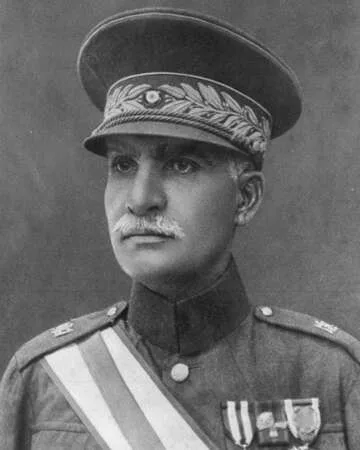
The Rise of Reza Shah Pahlavi
Born in Alasht, a small village in the Mazandaran province of Persia, on March 15, 1878, Reza Shah Pahlavi embarked on a transformative journey that would redefine Iran. His reign, which began in 1925 and lasted until 1941, marked a significant turning point in Iranian history, evolving the nation from a traditional empire into a modern state. Reza Shah's vision for Iran was clear: he aimed to restore national pride and foster economic, cultural, and administrative renewal.
Reza Shah Pahlavi's early life was shaped by the political turmoil of his time. Before ascending to the throne, he served as a military officer, rising through the ranks due to his leadership during World War I. His ascent culminated when he staged a coup d'état in 1921, allowing him to gain control over the Iranian government. By 1925, he was formally crowned Shah of Iran, initiating sweeping reforms.
Reza Shah’s Reforms
One of the hallmarks of Reza Shah Pahlavi's regime was his extensive reform program. Focused on modernization, he sought drastic measures in various sectors, including education, military, infrastructure, and the economy. He established a centralized government aimed at diminishing tribal and regional influences that had previously fractured Iranian unity.
Nationalism Under Reza Shah
Reza Shah emphasized nationalism as a crucial part of his identity reform strategy. He enacted policies that encouraged the use of the Persian language and emphasized the historical significance of Iran. He sought to replace Islamic religious laws with secular legislation and launched campaigns to modernize the nation’s dress code, famously banning the hijab for women.
The Fall of Reza Shah Pahlavi
The fallout from World War II marked the beginning of the end for Reza Shah Pahlavi. By 1941, with the Axis powers in retreat and Allied forces occupying Iran, he was forced to abdicate in favor of his son, Mohammad Reza Shah Pahlavi. His departure from the throne was a significant blow to his legacy.
Legacy of Reza Shah Pahlavi
Despite facing criticism for his authoritarian rule, Reza Shah's impact on Iran's modernization is undeniable. He laid the groundwork for many of the political and social changes that defined 20th-century Iran, influencing its culture, military, and national identity.
International Relations During Reza Shah's Reign
During his reign, Reza Shah Pahlavi extended Iran's international relations, forging ties with Western powers. He aimed to portray Iran as an integral player on the world stage, contributing to the regional balance of power. However, this often came at a domestic cost, as his regime repressed dissent and curbed freedoms.
Fun Fact
Did You Know About Reza Shah’s Transformation?
Reza Shah Pahlavi not only modernized Iran’s military but also took significant steps to improve gender equality. His reforms included women’s education and the abolition of many restrictive customs that affected women’s rights—an extraordinary advancement for that era.
Additional Resources
Recommended Reading on Reza Shah Pahlavi
If you're interested in exploring more about this fascinating historical figure, consider reading "Reza Shah: Persian Prince and Autocrat" by Michael S. Shafran, which delves deep into his life and era. Another excellent resource is "The Rise and Fall of the Pahlavi Dynasty" by Andrew Scott Cooper, offering a comprehensive view of Iran's turbulent political landscape during his reign.







 Continue with Google