


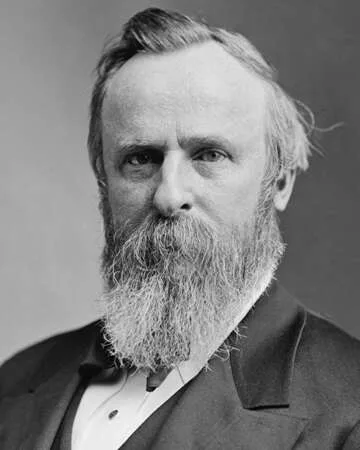
A Unique Inauguration: Rutherford B. Hayes Takes His Private Oath
The inauguration of President Rutherford B. Hayes on March 5, 1877, stands out in American history due to its unique circumstance of being conducted privately. Traditionally a grand public ceremony, the inauguration took a different turn as March 4, the usual inauguration day, fell on a Sunday. As was customary during that era, the observance of the Sabbath led to a non-public oath-taking ceremony.
The Context of Hayes' Presidency
Rutherford B. Hayes became the 19th President of the United States under controversial circumstances. The 1876 presidential election was one of the most disputed in history, with allegations of electoral fraud and irregularities. Hayes, a Republican, faced off against Democrat Samuel J. Tilden in a close race. Ultimately, a compromise was reached, leading to Hayes's presidency in exchange for the withdrawal of federal troops from the South, marking the end of reconstruction.
Taking the Oath in Privacy
On March 5, 1877, amidst the tensions of the post-Civil War era, Hayes took the oath of office in a private ceremony held in the Blue Room of the White House. Chief Justice Morrison Waite administered the oath, with only a few officials and family members present. This understated beginning was in stark contrast to the vibrant public celebrations of other inaugurations, yet it set a serious tone that reflected the challenges Hayes would face as President.
Historical Significance of the Private Oath
The decision to hold a private oath-taking ceremony had implications beyond its immediate context. It symbolized the unique challenges of the era, particularly relating to national unity and the contentious political landscape. Hayes' presidency, which began under a cloud of controversy, would ultimately emphasize reconciliation and reform.
Impact on Reconstruction Policies
As a part of the compromise to secure his election, Hayes made a commitment to finally withdraw federal troops from Southern states. This was a pivotal moment in American history, as it led to the end of the Reconstruction era. The subsequent establishment of Jim Crow laws and the rise of segregation would stain the progress made during this time.
Legacy Following the Private Oath
Despite the rocky start, Hayes was able to implement some significant reforms during his presidency. His administration focused on civil service reform and efforts to improve race relations in a highly divided America. Additionally, his decision to serve only one term became a hallmark of a presidency marked by integrity and a commitment to reform.
Fun Fact
Did You Know? Hayes' Interests
Rutherford B. Hayes was an avid supporter of education and played a crucial role in expanding public education in the United States. He believed that an educated populace was essential for democracy to thrive.
Additional Resources
Recommended Reading on Rutherford B. Hayes
For those interested in learning more about President Hayes, consider reading "Rutherford B. Hayes: Warrior and President" by John E. Stembridge for insights into his personal and political life. Additionally, "The Hayes Administration: A Study in Political Culture" by David H. Bennett provides a comprehensive look at his presidency and its implications.





 Continue with Google