


Understanding the Meeting of Two Influential Figures
On a consequential day in 1944, Soviet leader Joseph Stalin met with Polish-American priest Stanislaus Orlemanski in the heart of Moscow. This meeting was not merely a casual affair; it was a critical discussion on the future direction of post-war Poland and the role of religion in a nation recovering from the ravages of war. In the wake of World War II, Poland was in a tumultuous phase, and international relationships were shifting.
Orlemanski, a fervent supporter of the Polish community in America, was keenly aware of the struggles faced by his fellow Poles in Europe. His engagement with Stalin symbolized an attempt to bridge the gaps between the Soviet Union's communist ideology and the predominantly Roman Catholic faith of the Polish people. The meeting aimed to address the intersections of faith, politics, and national identity during a time of uncertainty.
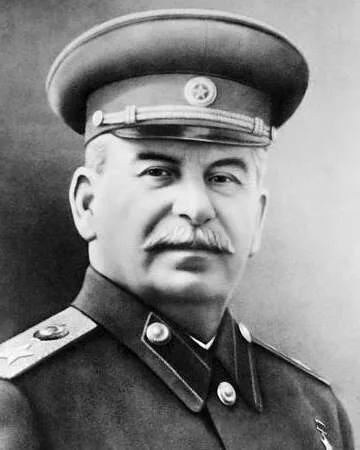
Joseph Stalin: Leader of the Soviet Union
As a dominant figure in the world during the mid-20th century, Joseph Stalin held immense power. He led the Soviet Union through significant events such as the Great Purge and World War II. His leadership style was characterized by totalitarianism and a focus on centralized control, which framed the discussions of religion as he perceived it within the context of state power.
Stanislaus Orlemanski: The Voice of Polish-American Catholics
Priest Stanislaus Orlemanski emerged as a significant mediator during this meeting. As a leader of the Polish-American community, he was in a unique position to advocate for the concerns of the Polish people. His dual identity allowed him to connect with Stalin on spiritual grounds while also emphasizing the importance of Poland’s cultural and religious heritage.
The Aftermath: Religious Influence on Politics
The discussions held during this meeting rippled through the socio-political landscape of Europe. Stalin’s policies aimed at crafting a Soviet-friendly government in Poland often conflicted with the strong religious sentiments of the Polish populace. Orlemanski's presence highlighted the importance of religion as a stabilizing force in post-war recovery.
Impact on Poland's Religious Landscape
The implications of the meeting extended beyond immediate political dialogue. The relationship between the Soviet Union and the Roman Catholic Church became increasingly complex, influencing the religious freedoms of individuals in Poland as communism took hold. Orlemanski’s interactions encouraged Polish clergy to seek ways to maintain their religious identities amid growing political pressures.
International Relations and Religious Diplomacy
This meeting also showcases how international political figures could navigate faith. The dialogue initiated by Orlemanski served as a reminder of the power of religious diplomacy that often negotiates peace and understanding in troubled times, illustrating how faith can be a critical component in shaping national dialogues.
Fun Fact
Stanislaus Orlemanski's Unique Background
Interestingly, Stanislaus Orlemanski was not just a religious leader; he was also deeply involved in advocating for Polish rights in America, playing a crucial role in keeping the plight of Poland in the international spotlight during World War II.
Additional Resources
Recommended Reading on Joseph Stalin and Poland's Political Landscape
To delve deeper into the era, consider reading “Stalin: The Court of the Red Tsar” by Simon Sebag Montefiore and “The Polish Question” by Gerald Green, which explore the intricate relationship between politics and society during Stalin’s rule and its effects on Poland.



 Continue with Google