


The End of Passive Resistance in South Africa
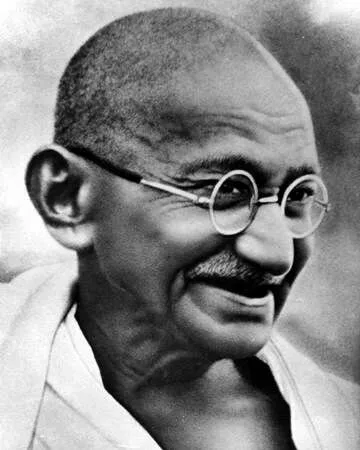
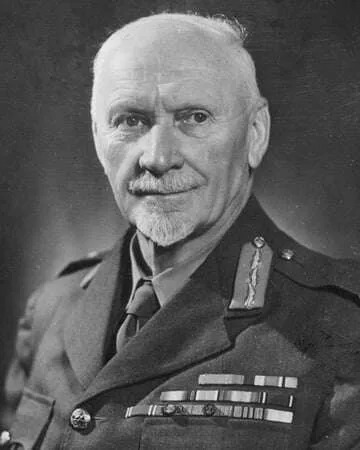
In 1911, a significant chapter in the struggle for Indian rights in South Africa came to an unexpected yet pivotal conclusion. The movement of Passive Resistance, spearheaded by the iconic leader Mahatma Gandhi, faced suspension following negotiations with General Jan Smuts, a prominent figure in South African politics. This event marked a crucial moment in the history of Indian communities in South Africa, highlighting their journey towards equality and justice in a land characterized by racial discrimination.
Mahatma Gandhi's Role in Passive Resistance
Mahatma Gandhi, born in 1869 in Porbandar, India, was a barrister who led a non-violent struggle for the rights of Indians in South Africa. His philosophy of passive resistance, also known as Satyagraha, aimed to combat injustices without resorting to violence. The campaign against discriminatory laws, particularly those restricting the rights of Indian immigrants, brought Gandhi international attention and laid the groundwork for future civil rights movements.
General Jan Smuts and the Negotiations
General Jan Smuts was not only a military leader but also a key political figure in South Africa, serving as Minister of Defence. His willingness to engage in negotiations with Gandhi suggested a potential shift in the oppressive policies of the time. Smuts recognized that the continued unrest could destabilize the region and prompted discussions aimed at resolving the ongoing conflicts with the Indian community.
The Implications of the Suspension
The suspension of the Passive Resistance campaign was a strategic decision influenced by both Gandhi's and Smuts' desire to find common ground for peace. This moment not only showcased Gandhi's adeptness in dialogue but also signified the growing influence of the Indian community in South Africa, as their voices began to resonate within local government structures.
Effects on the Indian Community
The pause in the resistance movement allowed the Indian population to regroup and reassess their strategies. It opened doors for conversations about civil rights and the integration of Indian citizens into South African society. Although the legislation affecting the Indian community was not fully reformed, this was a step toward addressing those long-held grievances.
Legacies of the Conference
The negotiations between Gandhi and Smuts laid the foundation for future engagements between Indian leaders and the South African government. This era would see the beginnings of significant social change, influencing the eventual fights for equality that would extend beyond just the Indian community.
Fun Fact
Gandhi’s Unique Approach
Mahatma Gandhi's method of passive resistance was groundbreaking; he truly believed that love and non-violence were the most powerful weapons for fighting oppression. This philosophy would later inspire civil rights movements around the globe, including the iconic work of Martin Luther King Jr..
Additional Resources
Recommended Reading on Passive Resistance
To delve deeper into this subject, consider reading Gandhi: An Autobiography and Great Soul: Mahatma Gandhi and His Struggle with India for a comprehensive understanding of Gandhi's principles and impacts.






 Continue with Google