


Overview of the 1653 Sea Battle
The **Three Day Sea Battle**, fought between **March 1 and March 3, 1653**, was a significant naval conflict during the **First Anglo-Dutch War**. This fierce engagement pitted the naval forces of **England** against those of the **Dutch Republic**, showcasing the intense maritime rivalry that existed during this period. The battle was remarkable not only for its length but also for its tactical complexity, culminating in a decisive victory for the English fleet led by **Admiral Robert Blake**.
Key Players: Admiral Robert Blake and His Dutch Opponents
Admiral **Robert Blake**, an eminent figure in the English navy, played a crucial role in leading his fleet against the Dutch forces commanded by **Admiral Maarten Tromp**. Blake's innovative strategies and tenacity marked this battle, reflecting the broader struggle for naval supremacy in the North Sea. On the opposing side, Admiral Tromp, a seasoned commander known for his daring tactics, was determined to uphold Dutch honor and naval effectiveness.
The Tactical Maneuvers of the Battle
The battle unfolded over three grueling days, with both sides demonstrating remarkable naval prowess. The English fleet utilized superior tactics and discipline, focused on keeping their ships in formation and leveraging their firepower effectively. Conversely, the Dutch pressed hard, attempting encirclement and bold assaults. Each day brought escalating tensions and heavy losses, culminating in significant damage to both fleets, but ultimately, the English emerged victorious.
The Aftermath and Significance
In the wake of the Three Day Sea Battle, the impact on naval warfare was profound. The victory solidified English dominance in the North Sea and shifted the balance of power during the First Anglo-Dutch War. This battle not only altered the naval strategies employed in subsequent engagements but also affected the global trading routes that were crucial for both nations.
Long-Term Consequences for the English and Dutch Navies
The results of this engagement led to a shift in naval policies, prompting the Dutch to reassess their ship designs and tactics, leading to innovations in naval warfare that would serve them in later conflicts. The English victory also heralded a period of increased maritime expansion and trade dominance that would later characterize the English Empire.
The Legacy of the Battle in Maritime History
The Three Day Sea Battle is often regarded as a turning point in naval warfare, illustrating the evolving nature of maritime conflict in the 17th century. Its legacy is remembered in naval strategy discussions and contributes to the rich tapestry of Anglo-Dutch maritime history during the golden age of sailing ships.
Fun Fact
Did You Know? Admiral Blake's Strategic Genius
Admiral Blake was not just a warrior; he was a strategic thinker known for his ability to adapt to challenges posed by enemy tactics. His emphasis on training and discipline among his crew contributed significantly to the English success at sea.
Additional Resources
Recommended Reading on the Anglo-Dutch Wars
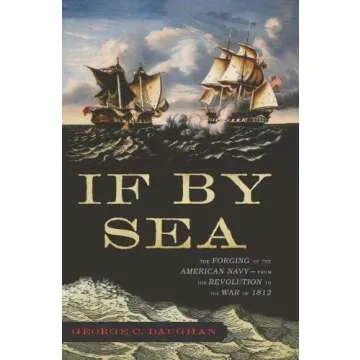
For those interested in delving deeper into this vital period, consider reading "The Anglo-Dutch Wars: 1652-1674" by Prof. Ian Hogg or "The Naval War of 1812" by F. E. M. Martin, which, while focused on a different war, provides context around maritime conflicts including tactics and naval engagements.







 Continue with Google