


Understanding the 1899 Treaty of Paris
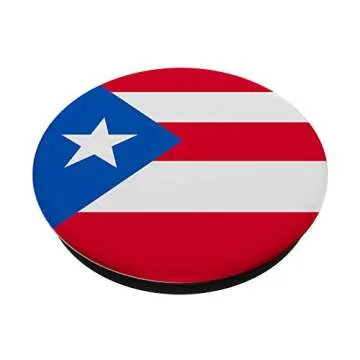
The 1899 Treaty of Paris marked a significant shift in the control of Puerto Rico and cemented the end of the Spanish-American War. This event not only concluded hostilities between the United States and Spain but also initiated a new era for Puerto Rico, which was ceded to the United States in the treaty. The implications of this transfer for the island's culture, politics, and economy would be felt for decades to come.
The Impact of the Treaty on Puerto Rico
The cession of Puerto Rico to the United States fundamentally altered the island's status and governance. Puerto Rico became a territory of the U.S., leading to questions about the rights and identity of its inhabitants. This treaty also established the legal framework for future relations between Puerto Rico and the United States, which continues to be debated today.
Political Changes Post-Treaty
Following the Treaty of Paris, Puerto Rico was governed by U.S. law, transitioning from colonial rule to becoming a new American territory. This change significantly disrupted the political structure of the island, leading to the establishment of local governance under U.S. oversight, exemplified by the Foraker Act of 1900 that created a civil government.
The Legacy of the Treaty of Paris
The legacy of the Treaty of Paris extends well beyond the immediate ending of the war. This treaty not only affected Puerto Rico but also the broader geopolitical landscape of the Caribbean and the Pacific, as the U.S. emerged as a global power. The transfer of Puerto Rico set a precedent for U.S. expansionism and intervention in Latin America.
Continued Debate About Puerto Rico's Status
The provisions laid out in the Treaty of Paris continue to be a source of contention. Issues surrounding citizenship, political representation, and economic dependency have evolved since the treaty was signed. These debates are crucial in discussions about the island’s future status and relationship with the mainland United States.
Puerto Rico’s Cultural Transformation
The transition from Spanish to American control brought significant changes in cultural identity and expression. While Puerto Ricans adapted to new influences, they also sought to preserve their rich cultural heritage, a synthesis that characterizes the island's unique identity today.
Fun Fact
Puerto Rico’s Ongoing Impact
Interestingly, Puerto Rico's status as a U.S. territory means that Puerto Ricans can serve in the military but cannot vote in presidential elections, exemplifying the complexities birthed from the Treaty of Paris.
Additional Resources
Recommended Reading on the Treaty of Paris
For those interested in a deeper dive into this pivotal moment, consider books such as The Spanish-American War: A Historical Encyclopedia and Puerto Rico: A Political History. These texts provide rich insights into the ramifications of the treaty and its lasting effects on Puerto Rico and the United States.





 Continue with Google