


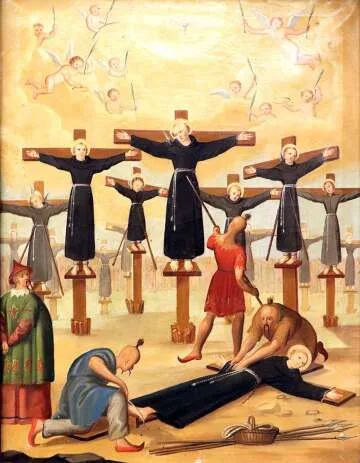
The Ultimate Sacrifice: Understanding the 26 Martyrs of Japan
In 1597, a profound moment in Japanese history unfolded when the 26 Martyrs, a group of early Japanese Christians, were executed, marking a significant event in the struggle between faith and governmental authority. These individuals were perceived as a tremendous threat to the socio-political fabric of Japan during a time when Christianity was viewed with suspicion by the ruling class, leading to brutal persecution. Their unwavering faith and ultimate sacrifice stand as a testament to the resilience of belief in the face of relentless opposition.
The Background of the 26 Martyrs
The 26 Martyrs of Japan consisted of both Japanese natives and foreign missionaries, including Jesuits and Franciscans. Their rise in Christianity began appealing to many Japanese people, leading to a substantial evangelization movement throughout the 16th century. However, as Christianity spread, the Tokugawa shogunate viewed it as a disruptive force that could challenge their authority and customs.
Persecution and Execution
In 1596, the Tokugawa government carried out a crackdown on Christians, instigated by fears of foreign influence and the potential destabilization of their traditional social order. This brutal reaction culminated in the execution of the 26 Martyrs on February 5, 1597, in Nagasaki. They were crucified publicly, illuminating both their courage and the harsh realities faced by believers during this period of Japanese history. Their death initiated a long era of persecution for Christians in Japan, marking a powerful chapter in the narrative of religious conflict.
The Legacy of the Martyrs
The legacy of the 26 Martyrs of Japan transcends their tragic end; it symbolizes the enduring strength of conviction and faith. Their martyrdom would inspire countless others, not only in Japan but throughout the world, reminding people of the cost of religious freedom.
Influence on Japanese Christianity
The martyrdom of these individuals had a lasting impact on the development of Christianity in Japan. Although Christianity faced suppression for centuries afterward, the sacrifice of the 26 Martyrs provided a source of inspiration and paved the way for future generations who persevered in adversity.
World Reactions and Commemoration
Recognized for their faith, the 26 Martyrs were canonized by Pope Pius IX in 1862, a move that drew attention to their plight. Today, their legacy remains honored in Japan and abroad, with February 5 commemorated annually in remembrance of their enduring spirit and faith.
Fun Fact
The Unforeseen Impact of the Martyrs on Global Christianity
The struggles of the 26 Martyrs not only highlighted the complex relationship between religion and governance but also sparked global awareness about religious persecution. This awareness fueled missionary efforts globally, promoting the message of tolerance and understanding in religious beliefs.
Additional Resources
Recommended Reading on the 26 Martyrs of Japan
For those interested in delving deeper, consider reading The 26 Martyrs of Japan by A.C. Kinkead, which provides extensive insights into their lives and sacrifices. Another remarkable book is Christianity in Japan: A History by John F. Howes, offering a broader context regarding the faith's development in Japan.













 Continue with Google