


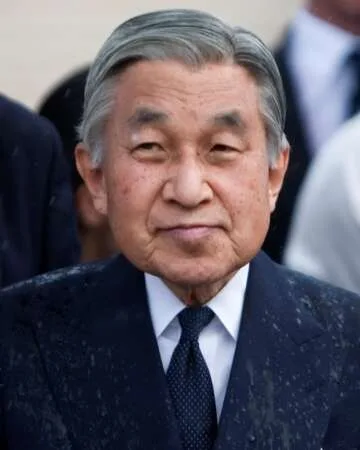
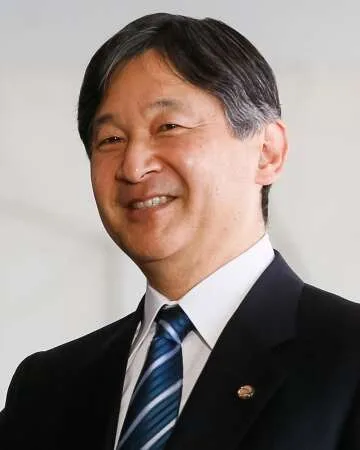
Emperor Akihito’s Historic Abdication in 2019
On April 30, 2019, Japan witnessed a momentous occasion as Emperor Akihito officially abdicated from the Chrysanthemum Throne, marking a significant event in Japanese history. The abdication, which took place in the Imperial Palace's State Room in Tokyo, was the first of its kind in over two centuries, showcasing the transition of imperial power in Japan. The ceremony, attended by a select group of dignitaries including Prime Minister Shinzo Abe, symbolized the emperor’s wishes to pass the role of sovereign to his son, Crown Prince Naruhito.
The emperor had expressed his concerns about his ability to fulfill his duties due to advancing age and declining health, which led to this historic decision. His abdication was formalized through a well-planned ceremony, conducted with deep respect and acknowledgment of the traditions associated with the Japanese imperial family.
Emperor Akihito’s Legacy
Emperor Akihito ascended the throne in 1989, following the death of his father, Emperor Hirohito. Throughout his reign, he became known for his commitment to peace, reconciliation, and his deep compassion for the Japanese people. His abdication reflected a significant shift in the imperial tradition, as it had not occurred in modern history, emphasizing a more approachable and relatable monarchy.
The Importance of the Ceremony
The abdication ceremony included the emperor’s formal remarks and a show of reverence towards Japan’s traditions. It was a moment of reflection for the Japanese society, recognizing the emperor's dedication to his duties and his influence on contemporary Japan. The abdication set a unique precedent for future emperors, highlighting the changing role of the monarchy in addressing the challenges of a modern society.
Naruhito’s Ascension to the Throne
Following Emperor Akihito’s abdication, his son, Crown Prince Naruhito, ascended the throne on May 1, 2019. This marked the beginning of the Reiwa era, which translates to “beautiful harmony.” Naruhito’s ascension was celebrated by citizens and marked a new chapter for Japan, emphasizing the continuity of the imperial line and the importance of the role within the framework of Japanese culture.
The New Era of Reiwa
The Reiwa era signifies a period of peace and harmony, reflecting Emperor Naruhito’s vision for a future that honors the traditions of the past while addressing the needs of contemporary society. His enthronement ceremony, held a few months later, was celebrated by thousands, marking hope and continuity for Japan.
Public Sentiment towards the Imperial Family
Both Emperor Akihito and Crown Prince Naruhito enjoy substantial public support, with citizens appreciating their approachable nature and commitment to social issues. The transition of the throne was met with a sense of optimism and a desire for continued connection between the imperial family and the Japanese people.
Fun Fact
Emperor Akihito’s Interesting Fact
While known for his formal duties, Emperor Akihito is also an accomplished ichthyologist, having conducted extensive research on marine life, particularly on Japanese fish species, which is a lesser-known aspect of his interest.
Additional Resources
Recommended Reading on Emperor Akihito
For those interested in learning more about Emperor Akihito and the modern Japanese imperial family, we recommend "The Last Emperor: The Life of Emperor Akihito" and "The Chrysanthemum and the Sword: Patterns of Japanese Culture" for a deeper exploration into this fascinating subject.












 Continue with Google