


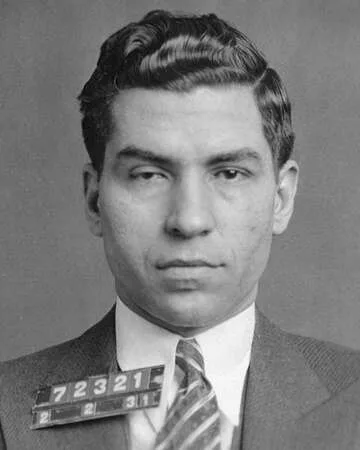
The Infamous Rise of Charles "Lucky" Luciano
Charles "Lucky" Luciano, born in 1897 in Sicily, was a pivotal figure in the evolution of organized crime in the United States. Immigrating to New York at a young age, Luciano quickly made a name for himself in the bustling criminal underworld of the early 20th century. Known for his entrepreneurial spirit and strategic mind, he was instrumental in the establishment of the National Crime Syndicate, which sought to unify various gangs and control organized crime across the nation.
By the early 1930s, Luciano had outmaneuvered his rivals and cemented his reputation as the leading mob boss in New York. His innovative ideas, such as the establishment of a commission to regulate criminal enterprises and his involvement in the lucrative narcotics trade, set the stage for modern organized crime. However, with great power came scrutiny, leading to a series of law enforcement campaigns aimed at dismantling his empire.
The Turning Point: The 1936 Arrest
On February 2, 1936, history took a turn when Charles "Lucky" Luciano was arrested in Arkansas. This arrest was no ordinary encounter; it was prompted by a criminal warrant issued in New York, stemming from charges related to his extensive criminal activities, including prostitution and drug trafficking. This pivotal moment marked a significant blow to his carefully crafted criminal empire.
The Consequences of Lucky's Arrest
The ramifications of Luciano's arrest were immense. He was convicted in 1936, leading to a long prison sentence. Interestingly, his incarceration inadvertently led to a shift in organized crime dynamics. As Luciano was sidelined, new figures began to emerge in the criminal landscape, and the balance of power within the mob began to shift.
The Aftermath of Luciano's Diversified Influence
Despite his legal troubles, Luciano's influence did not wane entirely. His connections and status afforded him a unique position even while incarcerated. In fact, during World War II, Luciano played a key role in aiding U.S. intelligence efforts against the Axis Powers. His ability to coordinate gang activities proved invaluable.
The Lasting Legacy of Lucky Luciano
Luciano's legacy in the annals of organized crime is undeniable. Even after his arrest and subsequent deportation to Italy in 1946, his methodologies and strategies continued to shape the operational tactics of future criminal organizations, influencing everything from drug trafficking to racketeering.
The Criminal Network That Endured
Even after his fall from grace, the network Luciano built flourished. His concept of unity among gangs, although challenging to maintain, established a model that paved the way for generations of organized crime. His impact transcends beyond individual acts of crime, influencing how organized crime operates to this day.
Fun Fact
Lucky Luciano’s Interesting Fact
Despite his criminal background, Luciano played a significant role in aiding the Navy during World War II by facilitating contacts with the Italian-American community in New York, helping to track down potential threats.
Additional Resources
Recommended Reading on Lucky Luciano
For those interested in diving deeper into the life of Luciano, consider reading "Lucky Luciano: The Real Godfather" by William Balsamo, which offers an in-depth look at his life and operations. Additionally, "The Rise and Fall of Lucky Luciano" by Richard Zacks chronicles his journey and the societal impact of his actions.





 Continue with Google