



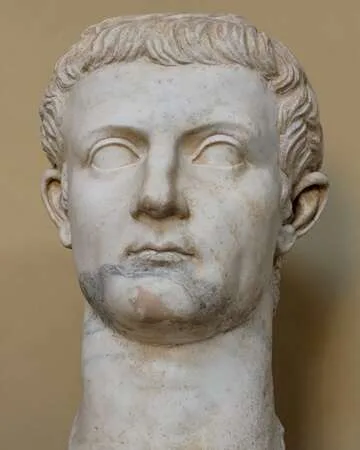
Proclamation of Caligula as Emperor
In the year 37 AD, significant changes swept through the Roman Empire as the Senate took a monumental step by annulling Tiberius' will, leading to the rise of Gaius Julius Caesar Augustus Germanicus, commonly known as Caligula or "Little Boots". This event marked the beginning of a reign that would be remembered for its extravagance and controversy.
Caligula, born into a prominent family and directly related to the previous emperors, was thrust into power following Tiberius’s death. His ascension represented a shift in leadership, as the Senate relinquished its previous entanglements with Tiberius's will that favored the wealthier elite of Rome. Instead, they opted for the young and seemingly vibrant Caligula, setting the stage for a dramatic era in Roman governance.
The Impact of Tiberius’s Will on Governance
Tiberius's will was marked with intentions that favored a select group of individuals, many of whom were Senate members. By annulling it, the Senate aimed to display its authority and willingness to break free from past constraints, hoping to stabilize a nation fraught with uncertainty after the long and gloomy rule of Tiberius.
Caligula’s Early Reign: A Promise of Freedom
At the onset of his reign, Caligula was seen as a breath of fresh air. His early policies and vibrant personality presented a stark contrast to Tiberius's oppressive regime. The Roman populace and political circles initially celebrated his ascension, anticipating reforms that would restore their freedoms and improve their living circumstances.
Caligula's Unfolding Legacy
As the initial excitement surrounding Caligula's rise began to wane, the realities of his governance started coming to light. While he started with popularity, his reign swiftly transformed into one marked by tyranny, bizarre behaviors, and erratic policies. The annulling of Tiberius’s will became just the first act in the complex theater of Caligula’s rule.
The Growth of Caligula’s Infamy
As months passed, Caligula's actions began to astonish and horrify both the Senate and the general populace. His inclination towards absolute power fueled accusations of tyranny. This left many questioning the wisdom of the Senate's choice to endorse his rule over a more stable transition.
Caligula’s Relationship with the Senate
After his initial proclamation, Caligula's relationship with the Roman Senate deteriorated. His disregard for traditional senatorial authority led to severe consequences. As he attempted to consolidate power, he alienated key figures, opting for replacing them with loyal supporters—a classic case of overreach that ignited dissent among his peers.
Fun Fact
Caligula’s Unique Connection to the Public
Caligula was known for his fascination with public appearances, which was quite unusual for an emperor of his stature. He often dressed in extravagant clothing and exhibited his wealth openly, a tactic that stemmed from his desire to maintain a connection with the general population, albeit with compromised results.
Additional Resources
Recommended Reading on Caligula
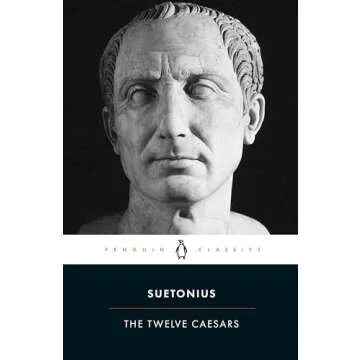
For those interested in delving deeper into the life and reign of Caligula, consider reading "Caligula: The Humans Behind the Myth" by Alfredo Valente or "The Twelve Caesars" by Suetonius. These texts provide fascinating insights into his tumultuous rule and the socio-political dynamics of the Roman Empire during his time.











 Continue with Google