


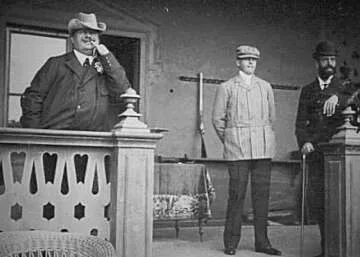
The Turning Point: The Assassination of King Carlos I and Prince Luis Filipe
On February 1, 1908, a pivotal event transpired in Lisbon, Portugal, marking the beginning of the end for the Portuguese monarchy. King Carlos I, who had been ruling since 1889, and his heir, Prince Luis Filipe, fell victim to an audacious assassination orchestrated by radical Republican elements. This tragic incident occurred in Terreiro do Paço, a public square in the heart of Lisbon, and sent shockwaves through the nation, leading to widespread chaos and unrest.
Details of the Assassination of King Carlos I
The attack was expertly planned by members of the revolutionist faction known as the Republicans. As the royal family was driving through the streets of Lisbon, they came under a barrage of gunfire. The assailants, equipped with rifles, targeted the royal carriage, resulting in the immediate death of both the King and his son. The violent act was a culmination of escalating tensions between monarchy loyalists and those advocating for a republican government.
The Impact of the Assassination on Portuguese Society
The assassination of King Carlos I and Prince Luis Filipe didn’t just mark a loss for the monarchy; it represented a significant turning point for Portugal. The public reaction was a mixture of shock and anger, polarizing the nation even further. Many citizens mourned the loss of their monarch while others viewed the event as a necessary step toward modern governance, enhancing the Republican movement’s appeal across the country.
The Aftermath: Establishing a Republic in Portugal
The tragic deaths of the king and his heir ignited a series of events leading to the eventual downfall of the Portuguese monarchy. This shift laid the groundwork for the Republic of Portugal, officially declared in 1910.
The Rise of Republican Sentiment Post-Assassination
Following the assassination, the climate of fear and repression that the monarchy had imposed began to weaken significantly. The Republican movement gained momentum, fueled by disenfranchised citizens and those seeking a new political framework. People rallied under the banner of the republic, organizing protests and demanding a government that reflected their desires for freedom and efficiency.
The Establishment of the Portuguese Republic
Just two years after the assassination, on October 5, 1910, a revolution resulted in the declaration of the First Portuguese Republic, effectively abolishing the monarchy. This transition was marked by political turmoil but was a crucial step in the evolution of contemporary Portugal.
Fun Fact
King Carlos I's Reign Ended in Tragedy
King Carlos I was not only a monarch but had a passion for oceanography and was dedicated to improving Portugal’s naval capabilities. Ironically, his reign ended with violence in the streets, echoing the tumultuous political landscape of Eastern Europe at the time.
Additional Resources
Recommended Reading on the Portuguese Monarchy and Republic
For those interested in diving deeper into this fascinating period of history, consider reading The Portuguese Republic: 1910-2010 by Filipe Ribeiro and The History of Portugal: From Prehistory to the Present by Charles F. G. H. Timmerman.












 Continue with Google