


The Battle of Perryville: Overview
Perryville's Crucial Role in the Civil War
The Battle of Perryville, fought on October 8, 1862, was a significant engagement in the American Civil War. It marked the end of a major Confederate invasion of Kentucky led by General Braxton Bragg. The battle resulted in a tactical victory for the Confederates but a strategic victory for the Union as it halted Bragg's advance.
The Key Players: Generals Bragg and Buell
On one side was the Confederate General Braxton Bragg, who had invaded Kentucky aiming to gain a vital stronghold and to recruit from the sympathetic population. Opposing him was Union General Don Carlos Buell, who was tasked with stopping the Confederate advance. Both commanders played crucial roles in shaping the outcome of this intense conflict.
The Battle: Key Events and Strategies
Buell's Defensive Tactics
As the two armies clashed, Buell’s careful defensive strategies at Perryville helped to create a formidable barrier against Bragg's forces. The Union troops were strategically positioned, and their knowledge of the terrain aided them greatly during the combat.
Bragg's Initial Success and Retreat
Despite achieving initial success on the battlefield, the Confederate troops faced logistical challenges and mounting casualties. After a day of fierce fighting, Bragg realized that continuing the fight would likely lead to greater losses, prompting a retreat back into Tennessee. This decision ultimately secured the Union's control over Kentucky.
Fun Fact
The Aftermath of Perryville
The Battle of Perryville resulted in approximately 7,500 casualties combined on both sides, underscoring the fierce fighting and the high stakes of the battle. It also deeply affected the civilian population of Kentucky and highlighted the brutal reality of the Civil War.
Additional Resources
Recommended Reading on Perryville
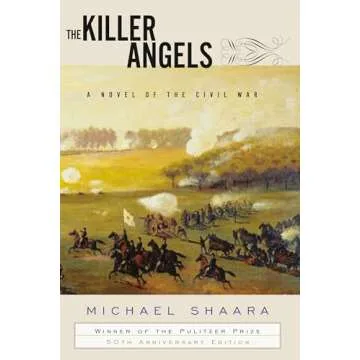
For those intrigued by the Battle of Perryville and its impact, consider reading The Civil War: A Narrative by Shelby Foote and Perryville: This Grand Havoc of Battle by Kenneth Noe, which provide an in-depth look into this pivotal conflict.






 Continue with Google