


The Groundbreaking Event of 1776
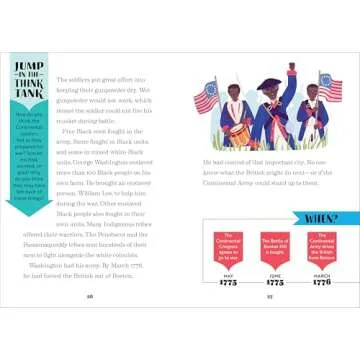
On March 2, 1776, a significant turning point unfolded in the ongoing struggle for American independence. American troops, under the command of General George Washington, began a decisive campaign of artillery against British forces occupying Boston. This act of defiance was a response to years of growing unrest and conflict between the colonies and their British rulers, setting the stage for the Revolutionary War.
Context of the American Revolution
The lead-up to this event was characterized by escalating tensions following the imposition of various taxes and laws by the British Parliament without colonial representation. Frustrated and determined to assert their rights, the colonists began to organize resistance. The siege of Boston had commenced in 1775 following incidents like the Boston Tea Party, and by 1776, morale and unity among the colonies had strengthened.
The Siege of Boston
During the siege, American forces surrounded the British troops in Boston, aiming to cut off their supplies and reinforcements. The strategic decision to begin shelling was meant to weaken the British hold on the city and force their retreat. This bombardment was just one of many actions taken to challenge British authority and boost the confidence of the continental troops.
The Fire and Fury of the Bombardment
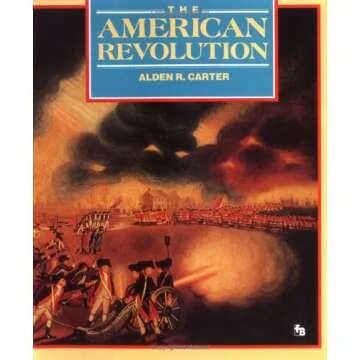
The bombardment began in earnest as American artillery units took aim at British positions. The cannons roared to life, sending cannonballs thundering into Boston’s fortified defenses. This artillery barrage was both a show of strength and a calculated military tactic.
The Role of American Artillery
The American artillery played a crucial part in this confrontation. Troops, including skilled soldiers and volunteers, faced the challenge of operating large cannons amidst harsh conditions. The bombardment aimed to disrupt the British troops' morale and logistics while proving to both sides that the Americans were willing and capable of engaging in serious combat.
British Response to the Bombardment
The British forces, shocked by the fierce resistance, realized that the situation was deteriorating. Their position in Boston became untenable as American forces continued their assault, leading them to reevaluate their strategy. Ultimately, the bombardment contributed to the British decision to evacuate Boston later that year, a significant victory for the American cause.
Fun Fact
The Legendary Cannons of Fort Ticonderoga
One interesting fact about this period is that the artillery used in the bombardment included cannons captured from Fort Ticonderoga, which had been taken by American forces earlier in 1775. These cannons were essential to the cause and demonstrated the ingenuity and resolve of the Continental Army.
Additional Resources
Recommended Reading on the Siege of Boston
For those interested in learning more about this pivotal moment in American history, consider reading “1776” by David McCullough, which offers a detailed account of the events surrounding the American Revolution, including the siege of Boston.









 Continue with Google