


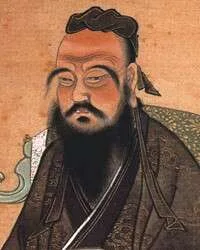
Introduction to Confucius
Confucius, born around 551 BC in the state of Lu, now part of modern-day China, is one of the most prominent figures in Chinese history. He is revered as a philosopher, educator, and moral guide, who laid the foundations for Confucianism, which profoundly influenced Chinese culture and society. Confucian teachings emphasize the importance of ethics, proper social relationships, and justice.
The Early Life of Confucius
Growing up in a relatively humble setting, Confucius experienced the challenges of life early on. His father passed away when he was just three years old, which meant that Confucius had to mature quickly in a world filled with turmoil and chaos. He became passionate about learning and education, dedicating his life to seeking knowledge. This love for education would later underpin his lifelong mission to illuminate the minds of others.
The Impact of Confucius
Confucius sought to reform local governments and society through his philosophical teachings. His approach emphasized virtue, wisdom, and the importance of righteous leadership. He believed that an individual's character and values lay at the heart of good governance, which led to a focus on moral integrity. This philosophy resonated throughout Chinese history, influencing social structures and political models for centuries.
Confucius' Teachings and Legacy
The teachings of Confucius transcended his lifetime and continues to resonate today. His collections of sayings and ideas, known as the Analects, offer insights into ethical conduct and practical wisdom. These texts are considered essential reading for understanding not only Chinese philosophy but also the ethical underpinnings of society at large.
Confucius and Education
One of the notable contributions of Confucius was his emphasis on education. He believed that education should be accessible to all, irrespective of their social class. Confucius inspired countless generations, establishing a model for teaching that prioritized moral education and character development alongside academic success.
Confucius and Governance
Launching ideas about governance that prioritize the well-being of the populace, Confucius stressed that a ruler must embody virtues that inspire others to behave justly. His idea of the Mandate of Heaven suggested that rulers gain legitimacy through their moral behavior and their ability to provide for the people. This notion revolutionized political thought and set a lasting precedent in Chinese governance.
Fun Fact
Confucius’ Interesting Fact
Despite living over two millennia ago, the teachings of Confucius continue to shape how millions of people view ethics, morality, and social responsibility today. His influence can be seen in various modern disciplines, including education, politics, and psychology.
Additional Resources
Recommended Reading on Confucius
For a deeper exploration into the life and teachings of Confucius, consider reading The Analects of Confucius, which compiles his sayings and ideas. Additionally, Confucius: The Analects by Arthur Waley provides insightful commentary on his philosophy and its applications.











 Continue with Google