


The Early Years of Didius Julianus
Marcus Severus Didius Julianus, known as Didius Julianus, was born in **133 AD** in **Milan, Italy**. He emerged from a relatively affluent background and rose through the ranks of the Roman Empire, eventually becoming a prominent politician and military leader. His upbringing in the thriving metropolis of Milan provided him with educational opportunities that would shape his future ambitions.
Julianus was known to be well-educated and cultured, with an affinity for philosophy and rhetoric. His early career showcased his talents as a lawmaker and his involvement in various administrative roles, which laid the groundwork for his eventual ascension to the imperial throne. As Roman society evolved, so did the political landscape, and Julianus was poised to take advantage of it.
The Rise of Didius Julianus
Julianus’s rise to power was marked by his determination and strategic social interactions within the political elite. He served as a senator and held substantial military command, garnering respect and influence among his peers. However, his most notorious claim to fame would come during a tumultuous period of civil war following the assassination of Emperor Pertinax in **193 AD**.
The Acclaim of the Purple Robe
After Pertinax’s death, the Praetorian Guard famously auctioned off the imperial title to the highest bidder. Didius Julianus, displaying both audacity and desperation, offered them a substantial sum of money, effectively claiming the title of emperor. This bold move, although initially successful, was met with widespread contempt and disbelief by the Roman populace and political rivals alike.
The Brief Reign of Didius Julianus
Julianus’ reign as Emperor was remarkably brief, lasting only about nine weeks before his downfall. His lavish lifestyle and the circumstances surrounding his ascent alienated many regarded as loyal. Tribunal disputes and military rebellions against his rule led to a swift loss of support.
The Fall from Power
Julianus faced opposition from **Septimius Severus**, one of the prominent military generals, who sought to seize power. As Severus marched to Rome, Julianus was unable to hold his ground and was ultimately forced to flee. The Senate condemned him, and he was executed, marking a swift end to his aspirations of rulership.
The Legacy of Didius Julianus
Didius Julianus’ short-lived reign serves as a cautionary tale of the volatility of power within the Roman Empire. Despite his initial success, his lack of political acumen and overwhelming reliance on wealth led to his downfall. His legacy is often overshadowed by his ignoble rise to power and tragic fall, symbolizing the turbulent nature of Roman imperial politics.
Fun Fact
Didius Julianus’ Interesting Fact
One intriguing detail about Didius Julianus is that his reign is particularly notable for the fact that he was directly responsible for the first instance of an auctioning process to obtain the Roman Empire, which had never occurred before in history.
Additional Resources
Recommended Reading on Didius Julianus
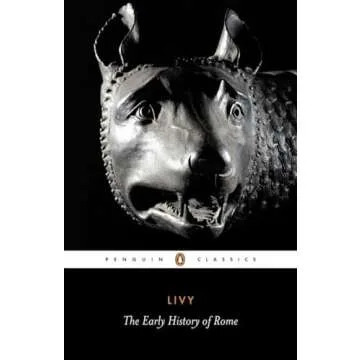
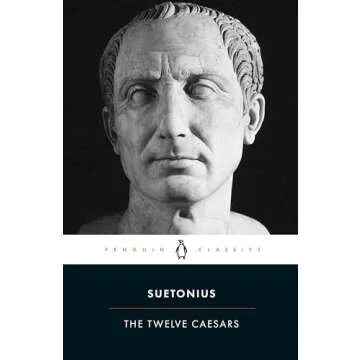
For those wishing to dive deeper into the life and times of Didius Julianus, consider exploring “The History of Rome” by Titus Livius and “The Twelve Caesars” by Suetonius. Both provide fascinating insights into Roman leadership and history.




 Continue with Google