


Edward Kelley: The Man Behind the Medium
On August 1, 1555, the world welcomed a remarkable figure known as Edward Kelley, born in Worcester, England. As a British spirit medium and prominent Renaissance occultist, Kelley's life and works would leave an indelible mark on the intersecting realms of mysticism, alchemy, and the supernatural. Raised in a time when the line between science and magic was often blurred, Kelley became a noteworthy character in the history of the occult, famous for his seances and purported communications with spirits.
Kelley's journey into the mystical began when he developed an interest in alchemy and the esoteric arts, which eventually led him to his infamous partnership with the mathematician and philosopher John Dee. Together, they sought to unlock the secrets of the universe, believing they could tap into divine knowledge through communication with angels. Kelley's unique blend of charisma, eloquence, and conviction made him an appealing medium, drawing many curious minds into his circle.
John Dee and the Spirit Communications
Edward Kelley's most notable collaboration was with the learned scholar John Dee, a man deeply engrossed in alchemy and the sciences. Dee had a profound interest in the metaphysical aspects of existence and was searching for a medium through whom he could communicate with higher spiritual beings. Kelley claimed to have the ability to not only act as a medium but also to gain insights into the nature of reality, which ultimately captivated Dee and his disciples.
Life as a Spirit Medium
As a spirit medium, Edward Kelley hosted numerous sessions that attracted attention from scholars and nobility alike. His techniques included crystal gazing and automatic writing, which aided in the supposed transmissions from the angelic realm. Each session led to dramatic revelations and elaborate visions, yet skepticism surrounded their authenticity. Despite this, Kelley remained a focal point in occult circles and continued to develop his practice throughout his life.
The Legacy of Edward Kelley
Edward Kelley’s influence extended far beyond his lifetime, shaping the trajectories of both spiritualism and occultism. His work with John Dee not only spawned a cult of enthusiasts but also inspired future generations of occult thinkers. The blend of science, mysticism, and art that characterized the Renaissance made his contributions all the more significant as they reflected a moment in history when inquiry into the nature of existence became paramount.
Kelley’s Final Years
After leaving England, Kelley continued to practice alchemy and spirit communication in Bohemia, where he thrived for a period. However, his fortunes changed, and he faced imprisonment and financial difficulties. He eventually passed away in 1597, leaving behind a rich legacy that continues to be explored by enthusiasts of the occult and the historical enthusiasts.
Public Perception and Skepticism
Kelley’s work is often surrounded by controversies and skepticism. Several of his contemporaries doubted his authenticity and motives. Whether a charlatan or a genuine practitioner of the occult, Kelley’s life raises significant questions about the role of belief and deception in the quest for knowledge.
Fun Fact
The Mysterious Enochian Language
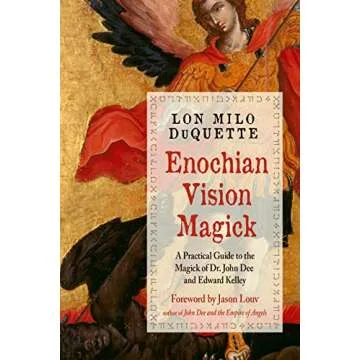
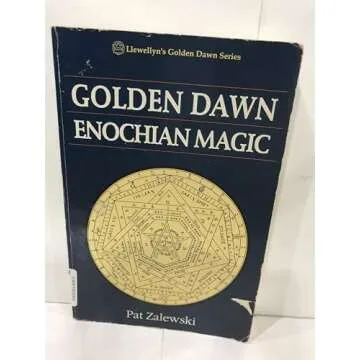
Edward Kelley is credited with the development of the Enochian language, a unique linguistic system believed to be a divine tongue used by angels. This esoteric language remains a topic of fascination and study among modern occultists.
Additional Resources
Recommended Reading on Edward Kelley
For those interested in delving deeper into the world of Edward Kelley and his practices, consider reading "The Secret Teachings of All Ages" by Manly P. Hall or "John Dee and Edward Kelley: The Time of Angels" by Josephine Frieze. These texts provide fascinating insights into Kelley's contributions and the broader context of Renaissance occultism.







 Continue with Google