


The Genesis of Francesco Sforza Pallavicino
Francesco Sforza Pallavicino's Early Life
Born in 1607 in Rome, within the Papal States, Francesco Sforza Pallavicino emerged from a society rich in religious and scholarly tradition. His upbringing in this vibrant cultural environment greatly influenced his intellectual pursuits. Pallavicino became a prominent theologian and historian, gaining recognition for his extraordinary contributions to religious scholarship.
Education and Early Career
Pallavicino's early education was deeply spiritual, focusing on the complexities of theology and ecclesiastical history. He dedicated his studies to understanding the nuances of the Catholic faith, eventually becoming a revered historian who documented the significant events of his time.
Impact of Pallavicino's Works
Significant Contributions to Theology
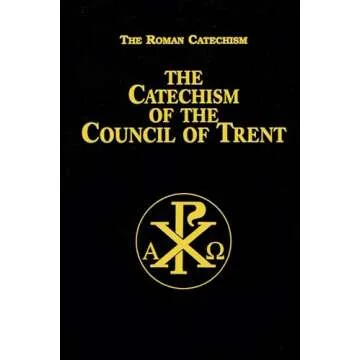
Among Pallavicino's most notable works is the "Istoria del Concilio di Trento", which provides an exhaustive account of the Council of Trent. This council was critical in shaping the direction of the Catholic Church during the Reformation, and Pallavicino's insights offer a unique perspective that continues to inform scholars today.
The Legacy of Pallavicino's Writings
His eloquent writing and rigorous analysis earned him respect not only as a theologian but also as a historian. The influence of his works extended beyond his lifetime, as scholars and theologians refer back to his writings for their depth and clarity on the complexities of Catholic doctrine and its history.
Fun Fact
The Grand Narrative of the Council
Did you know that Pallavicino's analysis of the Council of Trent remains a critical resource for understanding the Catholic Church's response to the Protestant Reformation? His work serves as a bridge connecting pivotal moments in church history with contemporary theology.
Additional Resources
Recommended Reading on Francesco Sforza Pallavicino
If you wish to delve deeper into the life and works of Pallavicino, consider exploring "The Council of Trent: Reform and Controversy in the Catholic Church" or "A History of the Reformation" which provide comprehensive insights into the era and Pallavicino's contributions.




 Continue with Google