


Celebrating the Birth of Franchinus Gaffurius
On January 1, 1451, a significant figure in the world of music was born in Lodi, a city in the Duchy of Milan. Franchinus Gaffurius, an Italian composer, theorist, and music educator, would go on to leave an indelible mark on the realm of music theory and practice during the Renaissance era.
Gaffurius was not merely a composer; he was a dedicated musicologist whose writings and teachings influenced the way music was understood and performed. His works bridged the gap between medieval and Renaissance musical techniques, making him a pivotal character in the evolution of Western music. He composed various pieces, including sacred music and theoretical texts, which were essential for musicians of his time.
Franchinus Gaffurius's Early Life
Born into a region rich in artistic culture, Gaffurius's early exposure to music paved the way for his future career. He received a thorough education in music theory and practice, which helped him to cultivate his skills as a composer. His formative years in Lodi, a hub for cultural development, were instrumental in shaping his musical identity.
The Musical Contributions of Gaffurius
Franchinus Gaffurius is best known for his influential theoretical works, particularly "Practica musice". This treatise was profound in discussing polyphony and the rules of counterpoint, essential elements that would define the music of the Renaissance. His ability to articulate complex musical ideas in an understandable way helped spread his influence far and wide.
Impact on Renaissance Music Theory
Franchinus Gaffurius made significant contributions to music theory that resonated throughout the Renaissance period. His writings not only informed contemporary musicians but also set a foundation for future generations. His blend of practical and theoretical knowledge helped to solidify the principles of harmony and counterpoint.
Gaffurius's Influence on Future Composers
The teachings of Gaffurius continued to impact composers long after his death, guiding the practices of notable figures like Josquin des Prez and Palestrina. His emphasis on careful notation and harmonization inspired countless musicians to pursue the craft with fidelity to mathematical structure in music.
The Importance of Musical Education
As a music educator, Gaffurius advocated for the importance of music theory in learning and performance. He believed that understanding music from a theoretical perspective enhanced the practical execution of compositions, a belief that is foundational in today’s music education.
Fun Fact
Franchinus Gaffurius’s Fascination with Rhythm
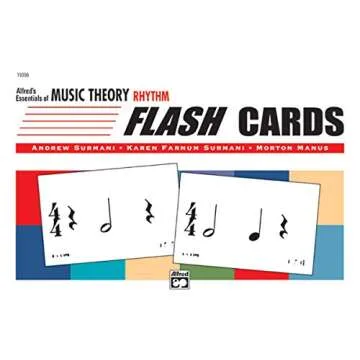
One intriguing fact about Gaffurius is his early adoption of rhythmic notation. He was one of the first to use different shapes and symbols to represent rhythmic durations, a technique that has evolved but set the stage for modern notation systems in music.
Additional Resources
Recommended Reading on Franchinus Gaffurius
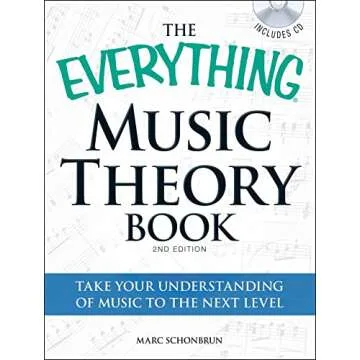
For those interested in delving deeper into Gaffurius's life and works, consider exploring the book "Franchinus Gaffurius and the Renaissance Music Theory" which provides a comprehensive analysis of his contributions. Another great resource is "Theoretical Writings of Renaissance Music", which includes excerpts from Gaffurius's influential texts.








 Continue with Google