


A Glimpse into Japan's Imperial History
The birth of Go-Tsuchimikado, the 103rd Emperor of Japan, in the year 1442, marks an important chapter in the rich tapestry of Japanese history. As the nation was deeply rooted in tradition and culture, the events surrounding Go-Tsuchimikado's reign from 1464 to 1500 witnessed significant transformations in politics, culture, and the arts. Born in a period marked by continuing conflicts between feudal lords, Go-Tsuchimikado’s ascension to the chrysanthemum throne represented a preserved celestial authority amidst the ploys of local power struggles.
During his childhood and youth, Go-Tsuchimikado was raised in the royal court, where he became familiar with the weight of the imperial legacy. The imperial family, while respected, had begun to lose political influence to the samurai class, leading to an evolving image of what it meant to be an emperor in Japan. His eventual reign would reflect a significant transitory phase amid growing unrest.
The Reign of Emperor Go-Tsuchimikado
Go-Tsuchimikado’s reign, lasting for about 36 years, occurred in a time when Japan was grappling with the aftermath of the Onin War (1467-1477), a civil war that disrupted the political fabric of the nation. Although he held the title of emperor, the real power was often wielded by the shogun and the feudal lords, known as daimyo, who controlled the armies and land.
Impact on Japanese Culture and Arts
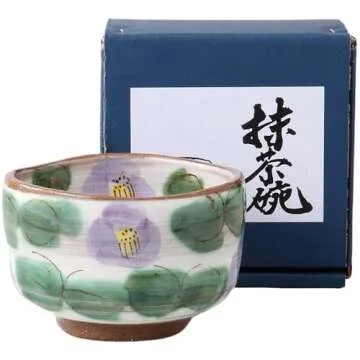
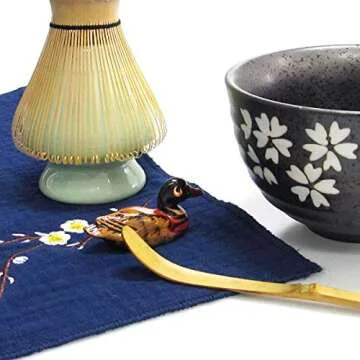
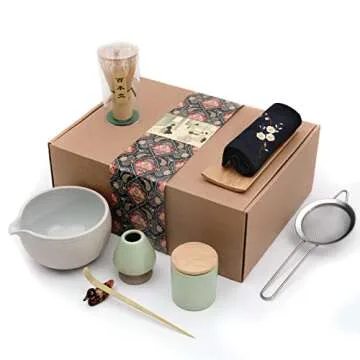
Despite the political turbulence, Go-Tsuchimikado’s reign also nurtured a significant flourishing of Japanese culture and arts. This era saw the emergence of **tea ceremonies**, **flower arrangements**, and advancements in **Noh theater**. Furthermore, it was a time for preservation of traditional practices that would define Japanese aesthetics for generations to come.
Challenges Faced by Go-Tsuchimikado
As the 103rd Emperor, Go-Tsuchimikado faced numerous challenges during his reign, particularly the growing power of the feudal lords, which often undermined imperial authority. Despite the challenges, he remained a symbol of unity and continuity for the people of Japan.
Political Struggles
Though Go-Tsuchimikado was seen as a ceremonial figurehead, the intricacies of court politics revealed the complexities of maintaining imperial prestige while the daimyo exercised military power and clout. The tension between the imperial court and the military governors truly defined the backdrop of his rulership.
Legacy of Go-Tsuchimikado
Emperor Go-Tsuchimikado’s impact on Japan extended beyond his rule. He represents the last phase of the traditional court before Japan entered into the turbulent Sengoku period. His efforts to uphold cultural values in a transformative period of Japanese history serve as a rich historical narrative crucial for understanding the imperial lineage that carries on to this day.
Fun Fact
Emperor Go-Tsuchimikado’s Fascinating Legacy
Interestingly, despite being a formal ruler, Go-Tsuchimikado's reign was characterized by his efforts to maintain the traditions of the imperial court amidst the chaotic reality of feudal Japan.
Additional Resources
Recommended Reading on Japanese Emperors
For those interested in diving deeper into the imperial history of Japan, we recommend reading Japan's Emperor: The History of the Japanese Imperial Family and Emperors of Japan: A Thousand-Year Chronicle. These texts provide rich insights into the lives and legacies of Japan's emperors, including Go-Tsuchimikado.










 Continue with Google