


The Historical Context of Gottfried Wilhelm Fink
Born in 1783 in the small town of Sulza, located in the Duchy of Saxe-Eisenach, which was part of the Holy Roman Empire, Gottfried Wilhelm Fink emerged as a pivotal figure in the world of music and literature. His contributions spanned across various fields as he became renowned not only as a clergyman but also as a composer, music theorist, and poet. Fink's environment in the 18th century, a period marked by the Enlightenment, encouraged creative expression and intellectual exploration, setting the stage for his future endeavors.
The Birth of Gottfried Wilhelm Fink
Fink was born on January 12, 1783, into a world that valued artistic and scholarly pursuits. His upbringing in a devout Protestant family fostered his interest in both spirituality and creativity. As a child, he was exposed to a variety of cultural influences, which would shape his outlook as a composer and theorist.
Fink's Early Life and Education
Raised in a region where music was an integral part of community life, Fink's talent became apparent early on. He pursued his education in theology and music, which allowed him to blend his clergy responsibilities with his passion for the arts. This unique combination of professions would later define his approach to both music and worship.
Fink's Contributions to Music and Poetry
Gottfried Wilhelm Fink's most notable contributions emerged during the early 19th century, where he actively engaged in various artistic circles. His works often reflected his deep theological beliefs combined with rich musical textures, making him a respected name in both the religious and musical communities.
Fink as a Composer
Throughout his career, Fink composed numerous pieces that showcased his understanding of music theory and his innovative approach to composition. His music often included themes of faith and spirituality, resonating deeply with audiences of his time.
Fink's Influence as a Theorist and Poet
In addition to composing, Fink authored several treatises on music theory that provided insights into the art of composition and performance. His eloquent poetry further demonstrated his commitment to beauty and devotion, integrating artistic expression with the teachings of the church.
Fun Fact
Gottfried Wilhelm Fink’s Lifelong Influence
Even after his passing in 1846, Gottfried Wilhelm Fink's works continued to inspire future generations of musicians and theologians, cementing his legacy as a significant figure in the cultural history of the Holy Roman Empire.
Additional Resources
Recommended Reading on Gottfried Wilhelm Fink
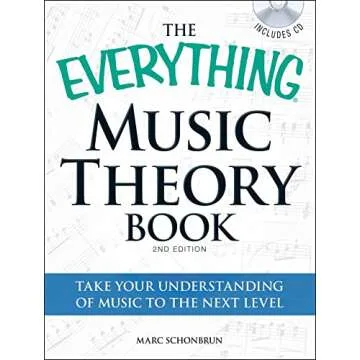
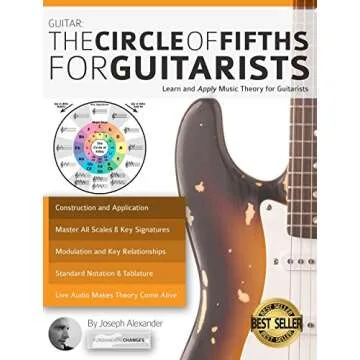
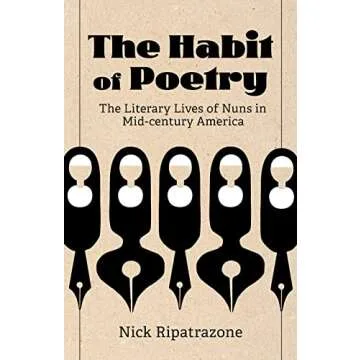
For those interested in diving deeper into the life and contributions of Fink, consider exploring "Gottfried Wilhelm Fink: His Life and Works" for comprehensive insights, or "The Intersection of Music and Faith in 18th Century Europe" for a broader context of his influences.









 Continue with Google