


Introduction to Heinrich Cornelius Agrippa
On September 14, 1486, history marked the birth of a prolific figure in the realms of **astrology**, **medicine**, and **theology** – Heinrich Cornelius Agrippa von Nettesheim. Born in **Cologne**, within the confines of the **Holy Roman Empire**, Agrippa would go on to be recognized not only for his scholarly pursuits but also for his influential works that merged mystical philosophy with the scientific frameworks of his time.
Agrippa's Background and Early Life
Heinrich Cornelius Agrippa hailed from a family with a rich cultural heritage. His early education set the stage for his later achievements, as he delved into the study of **Latin** and grew fascinated with diverse fields, from magic to philosophy. His versatility allowed him a comprehensive understanding of both spiritual and academic disciplines, making him a unique thinker of his generation.
The Impact of Cologne on Agrippa's Development
Growing up in **Cologne**, Agrippa was surrounded by a vibrant intellectual community that greatly influenced his development. The city, known for its universities and libraries, provided Agrippa with access to an array of philosophical texts and scholarly thoughts, fostering his early interests and shaping his beliefs.
Agrippa's Contributions to Astrology and Theology
Heinrich Cornelius Agrippa did not just dive into the field of astrology for the sake of curiosity; he sought to legitimize it through rigorous scholarship. His major work, "**De Occulta Philosophia**" (On Occult Philosophy), set a precedent for future scholars and practitioners by discussing the correlation between **astrological** phenomena and **theological** concepts.
Agrippa's Legacy in Astrology
Agrippa's dedication to astrology led to the introduction of many new ideas regarding the **influence of celestial bodies** on human affairs. His approach was novel, incorporating traditional astrological practices with a critical analysis that delved into **natural philosophy** and the metaphysical ramifications of human actions.
Theological Perspectives of Agrippa
While Agrippa is well-remembered for his astrological insights, his contributions to **theology** cannot be overlooked. He challenged the dogmas of his time, advocating for a more mystical understanding of the divine and encouraging others to explore the interconnectedness of faith and reason.
Fun Fact
Agrippa's Many Interests
Despite his many accolades, Agrippa had a complex relationship with his studies. Interestingly, his fascination with the **supernatural** and spirituality sometimes clashed with the prevailing scientific views of the period, showcasing the tension between magic and emerging scientific thought.
Additional Resources
Recommended Reading on Agrippa von Nettesheim
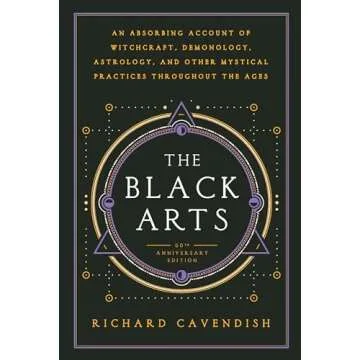
For those wishing to explore Agrippa's thoughts further, consider reading **"De Occulta Philosophia"** which captures his extensive insights on **occult philosophy**. Additional texts like **"Three Books of Occult Philosophy"** delve deeper into the synthesis of astrological and philosophical principles he promoted.






 Continue with Google