


Discovering Jan van Goyen
On January 13, 1596, the world welcomed the prominent Dutch landscape painter Jan van Goyen in Leiden, Netherlands. Van Goyen is celebrated for his remarkable ability to capture the essence and beauty of the Dutch landscape, a talent that would earn him great acclaim during the Dutch Golden Age. His upbringing in a culturally vibrant city like Leiden laid the foundation for his later successes as an artist.
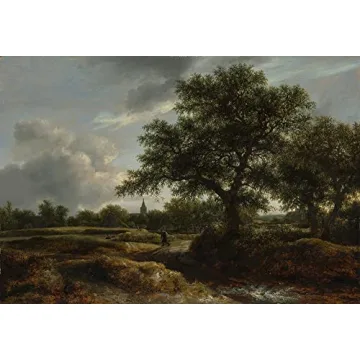
Van Goyen specialized in creating depictions of vast landscapes, often incorporating elements of the Dutch countryside, such as rivers, fields, and skies. His innovative use of light, shade, and color dramatically transformed landscape painting during his time, making him a significant figure in the history of art.
Artistic Journey of Jan van Goyen
From a young age, Jan van Goyen displayed an affinity for art. His early exposure to the artistic community in Leiden allowed him to learn various painting techniques. Van Goyen began his formal artistic training with other noted artists, honing his skills and exploring different aspects of landscape painting. By the time he was in his twenties, he had already developed a distinctive style characterized by low horizons and expansive skies.
Contributions to Dutch Landscape Painting
Throughout his lifetime, Jan van Goyen produced an impressive body of work that left a lasting mark on the landscape genre. He is known for his innovative compositions that convey a sense of tranquility and space, which were quite revolutionary for artists of his era. Van Goyen's paintings often depicted the interplay of light and shadow, giving life to the serene environments he chose to capture, earning him respect among his contemporaries.
Legacy of Jan van Goyen
Jan van Goyen's legacy persists long after his passing in 1656. His techniques and stylistic choices influenced many future generations of artists who wanted to emulate his mastery in conveying landscapes. Today, van Goyen's works are displayed in prestigious institutions worldwide, showcasing the enduring significance of his contributions to art.
Jan van Goyen and the Dutch Golden Age
As a key figure of the Dutch Golden Age, van Goyen contributed not only to the artistic landscape but also to the cultural identity of the Netherlands. His landscapes reflect the geography and scenery that were profoundly meaningful to the Dutch people of that era. His influence is evident in the way contemporary artists continue to explore landscape painting.
Jan van Goyen's Later Years and Death
In his later years, Van Goyen faced financial difficulties, yet his passion for painting never waned. He remained dedicated to his craft until his death in 1656. Even in the face of poverty, van Goyen's commitment to capturing the beauty of the Dutch landscape never faltered, confirming his place in art history.
Fun Fact
Jan van Goyen’s Unique Technique
One interesting fact about Jan van Goyen is that he often painted **from memory** rather than directly from nature. This practice allowed him to concentrate on the atmospheric quality of landscapes and their emotional impact, which became a signature element of his style.
Additional Resources
Recommended Reading on Jan van Goyen
For those interested in delving deeper into the life and works of Jan van Goyen, consider reading "The Dutch Masters: A New Perspective" and "Landscapes of the Dutch Golden Age". These resources provide insightful analyses of van Goyen’s contributions and the broader context of his work.






 Continue with Google