


The Unforgettable Day of Johannes Bugenhagen's Birth
On this historical day in 1485, the world welcomed Johannes Bugenhagen, a pivotal figure in the Protestant Reformation. Born in Wollin, Pomerania, which was part of the Holy Roman Empire, Bugenhagen would go on to become one of the leading reformers of his time. His contributions profoundly impacted Christianity in Germany and beyond, shaping religious thought and practice.
Bugenhagen's life journey commenced on this date, laying the foundation for his future role as a reformer, theologian, and pastor. His early experiences in Pomerania would eventually lead him to Wittenberg, where he became a close associate of Martin Luther, the figurehead of the Reformation.
Early Life of Johannes Bugenhagen
Born into a modest family in the merchant town of Wollin, Bugenhagen's formative years were spent nourishing his intellectual curiosity and religious understanding. He pursued studies at the University of Greifswald, where he initially obtained a degree in liberal arts. This solid educational foundation equipped him with the necessary tools to engage deeply with theology and philosophy, promoting his interest in church reformation.
Bugenhagen’s Influence During the Reformation
After moving to Wittenberg in the early 16th century, Bugenhagen became a vital supporter of Martin Luther's teachings. He played a crucial role in disseminating reformist ideas and was instrumental in the establishment of Lutheran congregations across northern Germany. His efforts helped in organizing the church and implementing Lutheran worship practices, defining the community’s future identity.
Johannes Bugenhagen's Lasting Legacy
Johannes Bugenhagen’s commitment to reforming the church did not go unnoticed. He published various writings that articulated the principles of theology and church governance, solidifying his status as a chief reforming voice alongside Luther. His administrative work in the Lutheran churches transformed many religious practices and became essential for the Reformation's success.
The Theological Works of Bugenhagen
Among Bugenhagen's many contributions, his works on church governance remain significant. He advocated for a pastoral model that emphasized the word of God, community responsibility, and the priesthood of all believers—an idea that resonated strongly within Protestant thought. His writings helped to explain and support the theological underpinnings of the Reformation.
Community and Reform: Bugenhagen’s Role
As a pastor, Bugenhagen was known not only for his theological insights but also for his pastoral care. He envisioned a church that directly served its community's needs, emphasizing education, pastoral counseling, and moral guidance. His understanding of a church connected to its societal context continues to inspire ecclesiastical practice today.
Fun Fact
Bugenhagen's Interesting Fact
Johannes Bugenhagen was not only a theologian but also a significant figure in translating the Bible into German, making the sacred texts more accessible to laypeople, which was central to the Reformation's goals.
Additional Resources
Recommended Reading on Johannes Bugenhagen
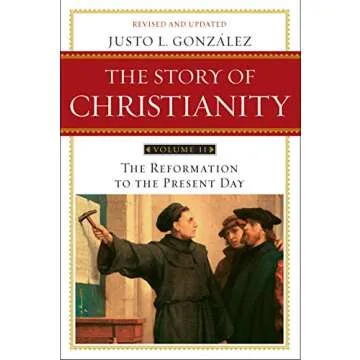
For those wanting to delve deeper into Bugenhagen’s life and impact, consider reading "The Life and Works of Johannes Bugenhagen" or "A History of the Protestant Reformation" for broader contexts.








 Continue with Google