


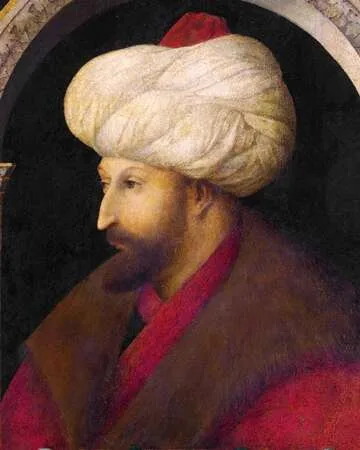
The Early Life of Mehmed the Conqueror
Born in the year 1432 in Edirne, Mehmed II, often known as Mehmed the Conqueror, rose to become one of the most significant figures in Ottoman history. He was the son of Sultan Murad II and became sultan at a young age, initially ruling briefly in 1444 before abdicating. His return to the throne in 1451 marked the beginning of a transformative era for the Ottoman Empire.
Mehmed II: The Young Ruler
As a youth, Mehmed displayed extraordinary intelligence and ambition, learning multiple languages and studying military strategy. His early reign was marked by challenges as he sought to consolidate power and secure the empire against his enemies, including the Byzantines, whose capital Constantinople he had set his sights on.
The Preparation for Conquest
Prior to his second reign, Mehmed laid the groundwork to reclaim the throne and prepared extensively for the monumental task of capturing Constantinople. He was determined to revive the waning strength of the Ottomans and saw the fall of Constantinople as a key to his success.
The Conquest of Constantinople
Mehmed II's most famous achievement came on May 29, 1453, when he successfully besieged and conquered Constantinople, a feat that altered the course of history. Following a 53-day siege, the city fell, signaling the end of the Byzantine Empire and establishing the Ottomans as a dominant power in the region.
The Strategy Behind the Siege
Mehmed employed innovative military strategies and formidable artillery, including the use of massive cannons to breach the city's thick walls. His leadership during the siege earned him the title of "the Conqueror," reflecting his pivotal role in this historic event.
The Aftermath and Transformation
The capture of Constantinople led to significant changes within the city, including the transformation of the Hagia Sophia into a mosque and the establishment of Istanbul as the new Ottoman capital. Mehmed believed in promoting cultural integration, leaving a lasting legacy of diversity.
Fun Fact
Mehmed II's Fascination with Knowledge
Mehmed the Conqueror was not just a military leader; he was also an avid patron of the arts and scholarship. He surrounded himself with scholars and artists, and his court became a center of intellectual and cultural activity that flourished during his reign.
Additional Resources
Recommended Reading on Mehmed the Conqueror
If you're interested in exploring more about Mehmed II, consider reading "Mehmed the Conqueror and His Time" by Franz Babinger or exploring "The Fall of Constantinople 1453" by Steven Runciman for a deeper understanding of this fascinating period in history.








 Continue with Google