


Celebrating the Birth of Émile Reynaud
Émile Reynaud: The Father of Animation
Émile Reynaud, born on December 8, 1844, in Montreuil, Seine-Saint-Denis, France, is celebrated as the father of animation. His innovative invention, the praxinoscope, revolutionized the way stories were told visually. Reynaud’s passion for improving optical devices led him to create mesmerizing animations that captivated audiences both young and old.
Invention of Pantomimes Lumineuses
Reynaud's greatest contribution to cinema was the creation of the Pantomimes Lumineuses. This groundbreaking method, developed in the late 19th century, allowed for the first-ever projected animated films. Audiences were treated to a spectacle of light and motion that set the stage for future developments in animation and cinema.
Innovation and Artistic Legacy
Émile Reynaud’s Artistic Vision
Reynaud's work exemplified a combination of artistic vision and technical ingenuity. He was not merely an inventor but also a storyteller, utilizing his animations to narrate rich tales. His animations were projected on a large screen, making them accessible to larger audiences, which was revolutionary for entertainment at that time.
Influence on Future Generations
The legacy of Émile Reynaud extends far beyond his era. His innovations paved the way for future filmmakers and animators, influencing their techniques and shaping the future of animated storytelling. The techniques he developed can be seen as precursors to modern animation, underscoring the importance of his work in the history of cinema.
Fun Fact
Émile Reynaud’s Interesting Fact
An interesting fact about Émile Reynaud is that he was one of the first to understand the power of animation to evoke emotions and children’s imaginations, effectively laying the groundwork for future animated features.
Additional Resources
Recommended Reading on Émile Reynaud
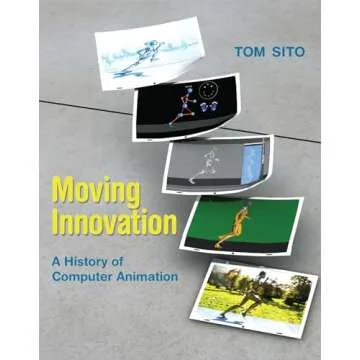
For those interested in delving deeper into the life and works of Émile Reynaud, notable recommendations include "The Illusion of Life: Disney Animation" and "Animation: A History". Both books provide insights into the evolution of animation, showcasing Reynaud’s pivotal role in its development.








 Continue with Google