


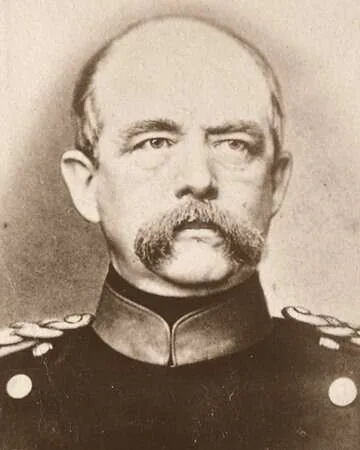
Otto von Bismarck: A Visionary Leader
Born on April 1, 1815, in Schönhausen, Prussia, Otto von Bismarck emerged as one of Germany's most influential leaders. His early life was marked by a rigorous education that paved the way for a career steeped in politics and diplomacy. Bismarck's work as a statesman during the mid-nineteenth century was pivotal for the unification of Germany, a process he orchestrated with remarkable skill and strategic foresight.
As the Chancellor of Germany from 1866 to 1890, Bismarck played a crucial role in shaping the political landscape of Europe. He was known for his pragmatic approach, often using diplomacy and realpolitik to achieve his goals. His talent for negotiation allowed him to form alliances that would ultimately lead to the unification of Germany, changing the continent's political dynamics forever.
Early Life of Otto von Bismarck
Bismarck was born into a noble family, and his upbringing instilled in him a sense of duty and ambition. As a young man, he studied law at the University of Göttingen and later pursued a career in politics, serving in various diplomatic capacities. His experience abroad broadened his understanding of international relations, a crucial factor in his later success as a leader.
Bismarck's Role in German Unification
Otto von Bismarck is perhaps best known for his instrumental role in the unification of Germany in 1871. Through a series of wars, known as the Wars of German Unification, he effectively united the various independent German states under Prussian leadership, culminating in the proclamation of the German Empire. His clever manipulation of political alliances and public sentiment demonstrated his genius as a statesman.
Bismarck's Legacy: A Divisive Figure
While revered for his achievements, Bismarck's legacy is also complicated. His policies often favored militarism and authoritarianism, raising questions about the sustainability of his vision for Germany. Despite this, many consider him a founding father of the state that would become modern Germany.
Bismarck's Diplomacy and Realpolitik
Bismarck's diplomatic strategy was characterized by his concept of realpolitik, which emphasized practical over ideological considerations. He engaged in carefully planned alliances, such as the Triple Alliance with Austria-Hungary and Italy, to maintain stability in Europe while concurrently isolating France. His foreign policy laid the groundwork for a strong, unified Germany.
The Impact of Bismarck's Policies
The policies instituted by Bismarck had lasting implications for Germany and Europe as a whole. His approaches to national policy, including the establishment of social welfare systems, shaped the German state and set a precedent for future leaders. Bismarck's methods remain a study of both caution and innovation in statecraft.
Fun Fact
Otto von Bismarck’s Interesting Fact
Did you know that Bismarck was known for his love of diplomacy and often declared that his greatest tool was the power of persuasion? This ability contributed to his success in unifying Germany through diplomatic means before resorting to military options.
Additional Resources
Recommended Reading on Otto von Bismarck
For those interested in learning more about Otto von Bismarck, consider reading Bismarck: The Man and the Statesman by James L. Stokesbury, which offers insight into his life and political strategies. Another excellent resource is Otto von Bismarck: The Story of My Life, an autobiography providing a firsthand perspective on his thoughts and actions.



 Continue with Google