


Celebrating the Birth of Petrus Camper
On February 8, 1722, the world welcomed a remarkable figure in the field of anatomy and anthropology, Petrus Camper. Born in Leiden, Netherlands, Camper's groundbreaking work paved the way for future generations of scientists and medical professionals.
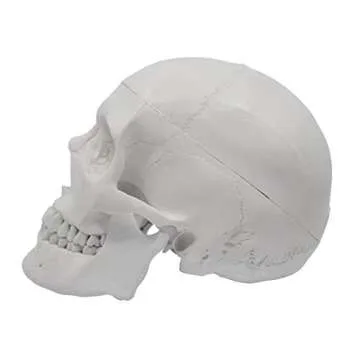
Camper's illustrious career was marked by his dedication to the study of comparative anatomy and paleontology. He is perhaps best known for his studies on the facial angle, a concept he developed to understand the relationship between the features of the skull and the brain size of different species. His insights not only contributed substantially to the field of anatomy but also influenced the study of human evolution.
Petrus Camper's Contributions to Anatomy
Petrus Camper's work in anatomy was revolutionary, particularly his emphasis on comparative studies between humans and animals. He deeply believed that by analyzing the anatomical structures of different creatures, one could gain a better understanding of humanity itself. This approach opened new doors for scientific inquiry and led to significant advancements in the 18th century.
The Importance of the Facial Angle
The concept of the facial angle developed by Camper helps illustrate the differences in facial structures across species, particularly in humans as compared to primates. This measurement was pivotal in discussions surrounding human evolution and the understanding of our ancestors, effectively setting the stage for future anthropological studies.
Impact of Petrus Camper's Legacy
The legacy of Petrus Camper extends well beyond his years as he continued to influence the fields of both anthropology and paleontology until his death in 1789. His methods and insights became fundamental in teaching anatomy, and many of his principles are still taught in modern anatomy courses.
Influence on Future Scientists
Camper's methodologies inspired numerous scientists and researchers, most notably in the way anatomical studies have evolved over the centuries. His work laid the groundwork for a more systematic approach to the understanding of anatomical structures and human evolutionary processes.
Recognition and Memorabilia
Even after his death, Petrus Camper is remembered for his significant contributions. Several medical institutions and museums house his findings and pay homage to his legacy in their exhibitions. His work remains a source of inspiration for many in the realm of biomedical science.
Fun Fact
Petrus Camper's Interesting Fact
Did you know that Petrus Camper was not just an anatomist but also dabbled in various other subjects? He had a strong interest in art, which influenced his approach to studying human anatomy and aesthetics!
Additional Resources
Recommended Reading on Petrus Camper
If you want to dive deeper into the contributions of Petrus Camper, consider exploring The Anatomical Drawings of Petrus Camper and History of Anatomy in Europe. These books offer a closer look at his unique perspective on anatomy and its impact on science.






 Continue with Google