


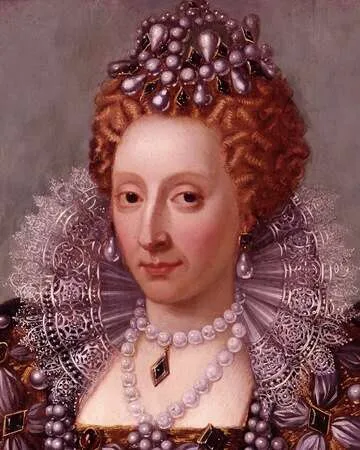
Celebrating the Birth of Elizabeth I
On September 7, 1533, the world welcomed a remarkable figure - Queen Elizabeth I, the daughter of Henry VIII and Anne Boleyn. Born in Greenwich, London, her arrival was marked by both excitement and controversy, especially considering the turbulent backdrop of her family's dynamics. Elizabeth's birth set in motion a legacy that would influence England for centuries.
Elizabeth became Queen of England and Ireland in 1558, reigning until her death in 1603. Her reign, known as the Elizabethan Era, was a golden age characterized by flourishing arts, exploration, and the defeat of the Spanish Armada. Elizabeth, often referred to as the "Virgin Queen," was never married, and her leadership style forged a unique identity for England on the world stage.
The Early Years of Elizabeth I
Despite being born into royalty, Elizabeth's early years were filled with uncertainty. After her mother, Anne Boleyn, was executed in 1536, Elizabeth was declared illegitimate. However, her father's death in 1547 and her half-brother Edward VI's subsequent reign allowed her to reclaim her status and eventually ascend to the throne.
Elizabeth I's Rise to Power
When Elizabeth ascended to the throne in 1558, England was divided along religious lines, facing internal and external pressures. Her ability to navigate these treacherous waters, establishing Protestantism and defeating the Spanish Armada in 1588, solidified her legacy as one of England's most formidable rulers.
Impact of Elizabeth I's Reign
The reign of Elizabeth I is often considered one of the most significant periods in English history. It was during this time that England witnessed a revitalization of the arts, exemplified by legendary figures such as William Shakespeare, who flourished under her patronage. She also prioritized exploration, with adventurers like Francis Drake expanding England's influence worldwide.
The Influence of Elizabethan Culture
The cultural achievements of the Elizabethan Era led to an enduring legacy. The arts, literature, and the emergence of English drama set the groundwork for future literary traditions. Elizabeth's unique approach to governance, balancing power with a soft diplomatic touch, left an indelible mark on English history.
Elizabeth I's Enduring Legacy
The legacy of Elizabeth I continues to resonate today. Often seen as a powerful female figure in a male-dominated world, she represents independence and determination. Her decisions and leadership laid the groundwork for what would become the British Empire, influencing countless generations to come.
Fun Fact
Elizabeth I's Interesting Fact
Queen Elizabeth I was an incredibly skilled polymath, fluent in several languages and educated in various subjects. Her education and intelligence were pivotal in shaping her reign and ruling style.
Additional Resources
Recommended Reading on Elizabeth I
For those looking to dive deeper into the life of this fascinating monarch, consider reading "Elizabeth I: A Life" by Alison Weir, and "The Virgin Queen: Elizabeth I, Genius of the Golden Age" by Roderick Graham. These works provide detailed insights into her life and impact on history.



 Continue with Google