


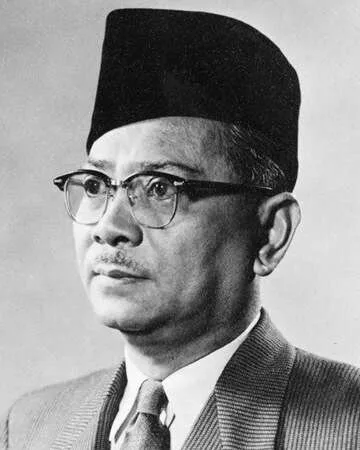
The Formation of the Federation of Malaya
The year 1948 marked a significant turning point in the history of the Malay Peninsula as nine Malay sultanates and two British Straits Settlements, namely Penang and Malacca, came together to form the Federation of Malaya. This union was a direct response to the shifting political landscape of post-World War II Southeast Asia, where the demand for self-governance was on the rise, and the British colonial authority sought a way to maintain control whilst adapting to these changes.
Before this federation, the sultanates operated independently, each led by their rulers. The British held significant power in the region, establishing administrative control over various territories. The federation aimed to unify these regions under a single political umbrella, allowing for better governance and the potential for greater autonomy in the future.
The Nine Malay Sultanates
The nine Malay sultanates that participated in the formation of the Federation were Johor, Kedah, Kelantan, Negeri Sembilan, Pahang, Perak, Perlis, Selangor, and Terengganu. Each sultanate maintained its unique cultural heritage and governance structures but agreed to collaborate on issues pertaining to defense and economic development under the new federation.
The Role of the British Straits Settlements
Alongside the sultanates, the inclusion of the British Straits Settlements was vital for logistical and administrative purposes. Penang and Malacca acted as significant commercial hubs and provided the necessary infrastructure for the federation, facilitating trade and communication across the region.
The Implications of the Federation
The establishment of the Federation of Malaya was not only a political maneuver but also a significant step towards the eventual independence of Malaysia. It fostered a sense of unity among the varied ethnic and cultural groups present within the peninsula, paving the way for a shared national identity that would emerge in later decades.
Challenges Faced Post-Federation
Despite the positive aims of unification, the Federation of Malaya faced significant challenges, including ethnic tensions, economic disparities, and the threat of communism in the region. These factors would later influence the Federation's policies and its journey towards full independence from British rule, achieved in 1957.
The Path to Independence
As the federation progressed, the aspirations for greater autonomy grew stronger among the local populace. The political landscape continued to evolve, where different nationalist movements emerged, pushing for complete independence. These movements would shape the future of what is now known as Malaysia.
Fun Fact
The Significance of the Federation of Malaya
Did you know that the Federation of Malaya served as a precursor to the formation of the larger nation of Malaysia? The federation laid the groundwork for a unified nation, which would come to fruition with the inclusion of Sabah and Sarawak in 1963.
Additional Resources
Recommended Reading on the Federation of Malaya
To dive deeper into the history of the Federation of Malaya, consider reading "The Malayan Emergency: 1948-1960" by James A. Warren, which provides insight into the challenges faced during this crucial post-war period and its implications for future governance.











 Continue with Google