


The Formation of the First US Methodist Church
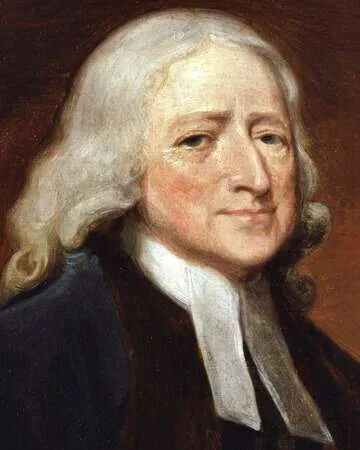
The year 1784 marked a significant moment in American religious history with the formation of the first Methodist Church in the United States. It was during this time that John Wesley, the founder of the Methodist movement, took pivotal steps to establish a formal Methodist presence across the Atlantic. This was a time of great social and spiritual change, and the need for organized worship became increasingly apparent.
John Wesley's Vision for Methodism
John Wesley, born in 1703 in Epworth, Lincolnshire, England, envisioned a church that was both accessible and deeply rooted in personal piety and social justice. His message of grace and reform resonated with many in America, ultimately leading to the establishment of the Methodist Church as a distinct denomination. By the time of its chartering in 1784, Methodism had already gained a substantial following among Americans seeking solace and community in the post-Revolutionary War era.
The Chartering of the Methodist Church
The official chartering of the church occurred at the Christmas Conference in Baltimore, Maryland, where Methodist leaders convened to organize their ministry and set down the tenets of their faith. This conference was not just historic for its formal organization but also for the establishment of John Wesley as a bishop, extending his leadership to the American church. This marked the beginning of a distinct American Methodism as it moved away from its British roots.
Impact on American Society
The establishment of the Methodist Church in 1784 had far-reaching effects on American religion and society. Methodism quickly grew in popularity through its emphasis on personal faith, community engagement, and social reform. It provided spiritual nourishment to a burgeoning society and became influential in various social justice movements.
Expansion of Methodism Across America
Following its founding, the Methodist Church expanded rapidly across the United States, establishing circuits and societies. This growth was fueled by enthusiastic lay preachers, campus ministries, and an outreach approach that invited everyone, regardless of background, into the fold. This distinctive approach to ministry helped Methodism thrive in a diverse and growing nation.
Methodism’s Role in Social Reforms
As the church grew, so did its engagement with social issues. Methodists became well-known for their activism in areas such as abolitionism, women’s rights, and temperance. The church not only focused on spiritual salvation but also on improving the social conditions of those around them, making significant impacts on communities nationwide.
Fun Fact
Did You Know About John Wesley's Influence?
John Wesley is credited with the phrase, "The World is my Parish," highlighting his belief that the Methodist mission extended globally, far beyond the borders of any one nation.
Additional Resources
Recommended Reading on Methodism
To delve deeper into the history of Methodism, consider reading “A People Called Methodist” by Charles Yrigoyen Jr., or “John Wesley: A Theological Biography” by Robert M. McCauley, which provide comprehensive insights into Wesley’s life and the movement he inspired.





 Continue with Google