


The Launch of the Party of the African Federation
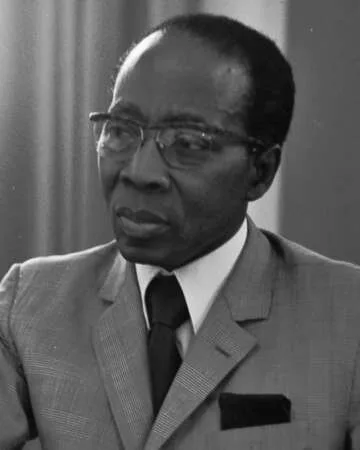
In 1959, a significant political movement emerged in West Africa with the establishment of the Party of the African Federation (PFA). This momentous event was spearheaded by two prominent leaders: Léopold Sédar Senghor from Senegal and Modibo Keita from Mali. The PFA was conceived as a platform to advocate for the unity of African nations and promote self-governance, rejecting colonial rule and fostering a sense of solidarity among the diverse peoples of Africa.
At its core, the creation of the PFA aimed to lay the groundwork for a pan-African vision, reflecting the sense of nationalism sweeping across the continent in the post-colonial era. Senghor and Keita, both intellectuals and strong proponents of African identity, believed that unity was indispensable for achieving political independence and economic development.
Léopold Sédar Senghor's Vision
Senghor, who later became Senegal’s first president, was not just a political leader but also a poet and philosopher. His vision for the PFA was deeply rooted in the notion of African cultural renaissance, seeking to elevate traditional values while embracing contemporary progress. Senghor famously advocated for the synthesis of African social forms with Western practices, aiming for a unique model of governance that would reflect Africa’s identity.
Modibo Keita's Leadership Role
Modibo Keita, the first president of Mali, played a crucial role in the establishment and promotion of the PFA alongside Senghor. Known for his socialist leanings, Keita emphasized economic cooperation between African nations, pushing for policies that would address poverty and social inequalities. His dynamic leadership helped shape the PFA's policies to focus on collective economic strategies that would benefit newly independent states.
The Impact of the Party of the African Federation
The PFA was not only a political party but also a symbolic representation of the aspirations of many African states during the decolonization period. Although the federation faced challenges, including internal divisions and external pressures, it provided a platform for dialogue about African unity and cooperation.
Challenges Faced by the PFA
Despite its noble objectives, the PFA encountered obstacles, primarily due to the differing political ideologies among its members. While some advocated for outright socialism, others favored a more moderate approach. This divergence sometimes hindered coherent policy-making and weakened the party's influence in the long term.
The Legacy of PFA in African Politics
Even though the Party of the African Federation did not last long as a dominant political entity, its legacy remains significant. It inspired future generations of African leaders to pursue unity and cooperation, as seen in the eventual formation of the African Union. The principles laid out by Senghor and Keita continue to resonate in contemporary discussions about African integration and collective governance.
Fun Fact
Did You Know?
Interestingly, Léopold Sédar Senghor was not just a political figure; he was also a noted poet and the only African leader to be elected to the Académie Française, showcasing the blending of art and politics in his life.
Additional Resources
Recommended Reading on Léopold Sédar Senghor and Modibo Keita
For those interested in further exploration of Léopold Sédar Senghor, we recommend “The Collected Poems of Léopold Sédar Senghor” which gives insight into his artistic vision. To learn more about Modibo Keita, consider reading “Mali: The Politics of a New Nation” which provides an overview of his contributions to Mali's political landscape.






 Continue with Google