


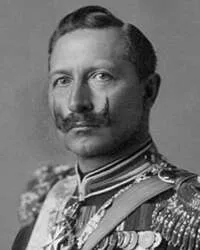
The Early Life of Wilhelm II
Wilhelm II, born on January 27, 1859, in Berlin, was destined for greatness in the annals of German history. As the eldest grandson of Queen Victoria of the United Kingdom and the son of Crown Prince Frederick William, Wilhelm was thrust into a world of privilege. His upbringing was marked by an unyielding military influence, which would shape his personality and leadership style for years to come.
Wilhelm's education was comprehensive and rigorous, focusing deeply on military tactics and philosophies which would later inform his reign as the last German Emperor and King of Prussia. Following his father’s death, Wilhelm ascended to the throne in 1888, only months after his grandfather's death, inheriting a powerful nation at a time of great potential, yet overshadowed by impending conflict.
Wilhelm II: The Ascendant Monarch
Upon becoming Kaiser, Wilhelm II harbored ambitions to assert Germany's position on the world stage. He was known for his dynamic and sometimes erratic leadership style, embracing a more aggressive foreign policy. His navy expansion efforts and support for Austria-Hungary would soon define his reign and contribute to the tensions leading to World War I.
The Impact of Wilhelm II's Policies
Wilhelm II’s policies fundamentally altered European politics. He dismissed the Bismarckian diplomatic strategies and instead favored a policy of militarism and imperialism. These decisions, while aiming for national greatness, ironically paved the way for devastating consequences—setting the stage for global conflict.
Wilhelm II's Legacy
Despite his tumultuous reign lasting until the abdication following World War I in 1918, Wilhelm II's legacy remains complex. He is often remembered as a symbol of the imperial ambitions that characterized early 20th-century Germany.
Wilhelm II in Exile
After World War I, Wilhelm II lived in exile in the Netherlands, reflecting on the downfall of the German Empire. His later years were spent in relative obscurity, but his influence on German nationalism and militarization continued to resonate long after his death on June 4, 1941.
Wilhelm II's Historical Significance
Wilhelm's reign is pivotal to understanding World War I. His fiery speeches and insistence on military glory contributed substantially to the fervor of the German populace, leading to dire consequences during and after the war. The repercussions of his rule are still studied by historians to this day.
Fun Fact
Did You Know About Wilhelm II?
Wilhelm II had a distinctive physical trait: he was born with a withered left arm due to a birth injury. This disfigurement influenced his self-image and leadership style, as he often sought to overcompensate for his perceived inadequacy.
Additional Resources
Recommended Reading on Wilhelm II
For those interested in diving deeper into the life of Wilhelm II, we recommend "Kaiser Wilhelm II: A Life in Power" by Gerd Krumeich and "The Kaiser: The Life and Times of Wilhelm II" by John C. G. Röhl. These works provide extensive insights into his life and reign.








 Continue with Google