


Understanding the Columbus Day Riot
Columbus Day Riot Background
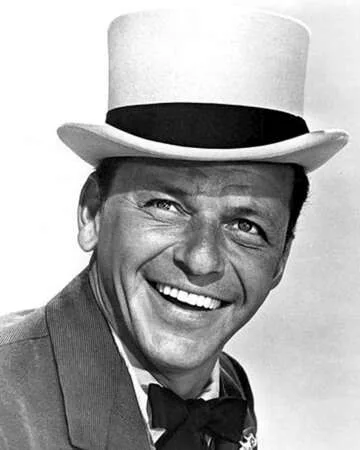
The Columbus Day Riot in 1944 was a significant event in New York City, primarily sparked by the overwhelming popularity of the young singer Frank Sinatra. Scheduled to perform at the Paramount Theatre, which had a capacity of only 3,500, Sinatra attracted a staggering crowd of around 30,000 fans. This overwhelming turnout led to chaos as fans scrambled to enter the theatre, resulting in a historic disturbance known as the riot.
The Impact of Sinatra's Fame
At the time, Frank Sinatra was one of the most celebrated pop idols in America. His appeal spanned across demographics, turning his performances into unmissable cultural events. The Columbus Day weekend saw an influx of fans, eager to witness the charismatic performer live, but the limited seating created a precarious situation.
The Unfolding of the Riot
The Events Leading to the Riot
On October 12, 1944, as fans gathered outside the Paramount Theatre, excitement quickly turned to frustration. With so many fans attempting to enter, many were left waiting in long lines. The situation escalated as frustrations boiled over, leading to scuffles among concert-goers and police. The sheer volume of people led to disorder, chaotic movements, and a breakdown of crowd control.
The Aftermath of the Columbus Day Riot
The riot attracted significant media attention and highlighted the challenges of managing large crowds at events featuring major celebrities like Frank Sinatra. Although many fans were merely eager supporters of the singer, the event raised questions about safety and crowd management that would influence future gatherings. After the incident, authorities began to implement stricter regulations for large performances to prevent similar occurrences.
Fun Fact
Sinatra's Resilience Amidst Chaos
Despite the chaos of the Columbus Day Riot, Frank Sinatra continued to thrive in his career, becoming an enduring figure in music history. The riot only underscored his immense popularity and the massive following he commanded during the 1940s.
Additional Resources
Recommended Reading on Frank Sinatra and His Era
For those interested in exploring more about Frank Sinatra and the cultural environment of the 1940s, consider reading "Sinatra: The Life" by Anthony Summers or "Frank Sinatra: An American Legend" by George D. Kessler. These books provide deeper insights into Sinatra’s life and the period he dominated.





 Continue with Google