


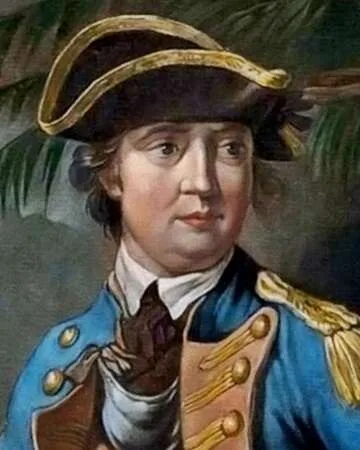
Benedict Arnold: A Complex Figure in American History
Benedict Arnold, born on January 14, 1741, in Norwich, Connecticut, was an American general during the Revolutionary War, whose legacy is intertwined with tales of betrayal. Initially celebrated for his military prowess, Arnold rose through the ranks, earning respect and recognition for his critical role in several key battles, including the American victory at Fort Ticonderoga and the pivotal Battle of Saratoga. His journey from hero to traitor is one of the most dramatic narratives in American history.
Early Life and Revolutionary Beginnings
Arnold’s early life laid the foundation for his later career. Growing up in Connecticut, he was the son of a successful merchant. His early experiences in business and his foray into military life during the French and Indian War honed his leadership skills. Arnold quickly became involved with the Sons of Liberty, demonstrating his commitment to the American cause. His early successes in the Continental Army elevated his status, and he became a trusted leader among the revolutionary forces.
Turning Point: From Patriot to Traitor
Despite his accolades, Arnold's story took a dark turn as he became disillusioned with the American cause. Various factors, including financial troubles and perceived slights from fellow officers, contributed to his betrayal. In 1780, Arnold famously conspired with the British to surrender West Point, a key strategic fortification, to the enemy. This act of treachery shocked the young nation, leading to his vilification in the annals of history.
The Legacy of Benedict Arnold
Benedict Arnold's birthday is a reminder of the complex nature of loyalty and betrayal. His decision to switch sides did not only impact his life but also significantly altered the course of the American Revolutionary War. Today, many view Arnold not just as a traitor, but as a symbol of the volatile nature of war and relationships.
The Consequences of Arnold's Actions
Arnold’s actions had far-reaching consequences. After defecting to the British, he was given command of British troops, where he continued to fight against his former comrades. His legacy is debated among historians, as some argue that his talents were underappreciated, while others emphasize the moral implications of his betrayal. His name has become synonymous with treachery in popular culture.
Remembering Arnold Today
Today, Arnold's life continues to be a subject of fascination and discussion, illustrated through literature and media. While he is often remembered for his treachery, understanding his background helps explain the motivations behind his eventual betrayal. This duality makes him one of the more complex figures in American history.
Fun Fact
Benedict Arnold’s Interesting Fact
Despite being branded a traitor, Benedict Arnold served as a general in the British army and sought a new start in Canada. He died in 1801 in Britain, living in anonymity after his infamous actions.
Additional Resources
Recommended Reading on Benedict Arnold
For those interested in exploring Benedict Arnold’s life further, consider reading "Benedict Arnold: A Biography" by James A. McPherson or "The Traitor: Benedict Arnold and the American Revolution" by Anne McClellan, which delve deeper into the nuances of his character and decisions.












 Continue with Google