


Understanding the Council of Vienne
The Opening of the Council of Vienne
The Council of Viennee, convened in 1311, marked the fifteenth ecumenical council of the Catholic Church. This assembly was significant as it addressed various ecclesiastical and international issues, particularly concerning the Monastic Orders and the situations in the Holy Land.
Key Players in the Council of Vienne
Held under the auspices of Pope Clement V, the council brought together bishops, cardinals, and other church officials from across Europe. Their discussions focused on reforming church practices and addressing the decline of the Knights Templar, which had substantial political and financial implications.
Highlights of the Council's Discussions
Impact on the Knights Templar
One of the major themes during the Council of Vienne was the fate of the Knights Templar, an influential military order. Accused of heresy and disbanded by Pope Clement V, the council aimed to formally disband the order and redistribute their assets, which had both economic and political ramifications throughout Europe.
Reforms and Decisions Made
The council also focused on several key reforms that sought to address corruption within the church. Discussions led to the re-instatement of some practices, and emphasized the importance of adherence to ecclesiastical discipline, which aimed to restore the integrity of the clergy.
Fun Fact
The Lasting Legacy of the Council of Vienne
The Council of Vienne not only shaped the future of the Church but also influenced the relationship between the papacy and various European monarchies, as the decisions made regarding the Templars had lasting effects on political alliances.
Additional Resources
Recommended Reading on the Council of Vienne
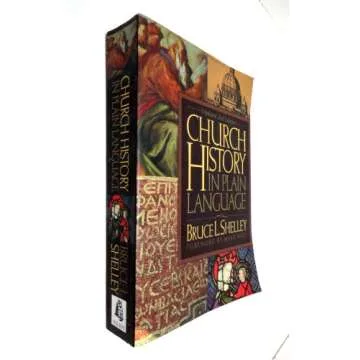
For those interested in delving deeper, consider reading The Papacy and the Council: A Study of the Council of Vienne and Crusading and the Council of Vienne to better understand the complexity of this historical event.





 Continue with Google