


The Signing of the Death Warrant
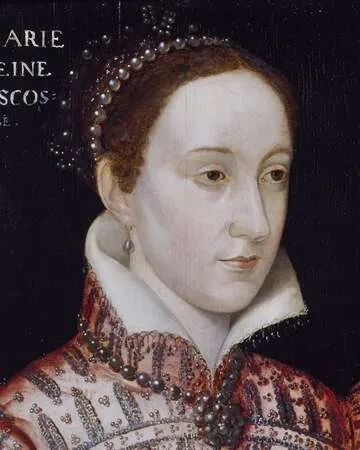
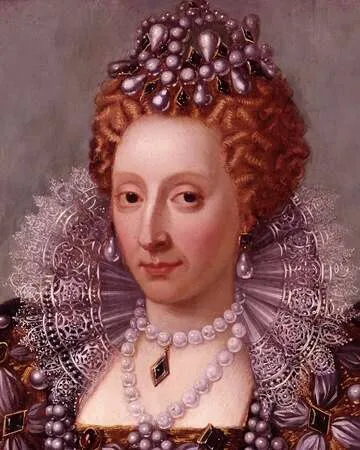
On February 1, 1587, a momentous event transpired in the annals of British history as Queen Elizabeth I of England signed the death warrant for her cousin, Mary, Queen of Scots. This decision was not taken lightly; it resulted from two decades of political rivalry, religious conflict, and personal animosities that had gradually escalated.
The Turbulent Journey of Mary, Queen of Scots
Mary Stuart, born in 1542 in Linlithgow Palace, Scotland, was the only surviving legitimate child of King James V of Scotland. As a descendant of Henry VII, she had a legitimate claim to the English throne, which made her a significant threat to Elizabeth I. After being forced to abdicate in 1567, Mary sought refuge in England, only to find herself imprisoned by her cousin. The fear of Mary rallying Catholic support against Elizabeth led to her long confinement.
The Impact of Religious Conflict
The rivalry between Elizabeth, a Protestant, and Mary, a staunch Catholic, intensified the stakes of their relationship. Numerous plots to overthrow Elizabeth, including the famous Babington Plot of 1586, were attributed to Mary's supporters. These plots heightened Elizabeth's fear of Mary, leading her to see execution as her only option to maintain her throne.
Aftermath of the Execution
The execution of Mary on February 8, 1587, in Fotheringhay Castle created shockwaves across Europe. Her death was controversial, triggering deep political ramifications both in England and abroad.
The Legacy of Mary, Queen of Scots
The legacy of Mary, Queen of Scots, extends beyond her tragic demise. Her life and tumultuous reign have led to countless narratives in literature and film, illustrating her as a martyr of love and ambition. Mary's fate continues to fascinate historians and the public alike, serving as a symbol of tragedy in the face of political scheming.
Elizabeth I’s Regret
In the wake of Mary's execution, Elizabeth faced widespread condemnation and public backlash. Although she authorized the warrant, Elizabeth never wanted Mary's death, fearing the repercussions it would have on her own reign. This raised questions about the morality and implications of political power and execution.
Fun Fact
The Fateful Execution
Interestingly, Mary’s execution was not as composed as one might expect. Accounts suggest that she was brave but also frightened, with a mishap involving a poorly aimed axe that led to her requiring multiple strikes to end her life, an execution method deemed grim even for the era.
Additional Resources
Recommended Reading on Mary, Queen of Scots
If you are fascinated by this historical figure, you might enjoy "Mary Queen of Scots: The True Life of Mary Stuart" or "The Life of Mary Stuart" to delve deeper into her compelling life story and its historical context.







 Continue with Google