


The First Encounter with Easter Island
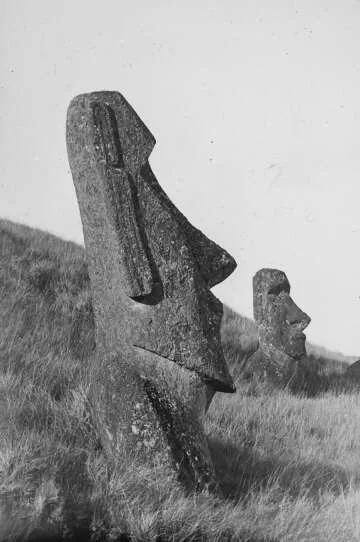
On April 5, 1722, in a remarkable moment of exploration, Dutch navigator Jacob Roggeveen became the first European to set eyes on the mystical Easter Island, also known as Rapa Nui. Located in the southeastern Pacific Ocean, this remote island soon captivated Roggeveen and his crew with its enigmatic landscape and the colossal stone statues known as moai that dotted its shores.
Roggeveen’s journey aimed to find a southern continent rumored to exist in the Pacific, but instead, he stumbled upon this isolated paradise. His fleet was comprised of three ships: the Thienhoven, the Arnhem, and the Walcheren, all sailing with the hope of discovery as well as trade routes. Upon arriving, they were met with a unique culture that had existed in relative isolation for centuries.
Jacob Roggeveen’s Prelude to Discovery
Before discovering Easter Island, Jacob Roggeveen was a skilled navigator with a deep interest in Pacific exploration. Born in 1659 in the Dutch Republic, Roggeveen had built a respectable career in maritime exploration and trade. His venture to the South Seas was motivated by both the search for new lands and the exploration of potential trade opportunities in the region.
The Voyage to Easter Island
Roggeveen departed from the Netherlands in 1721, and after months at sea, he charted a course that would lead him to Easter Island. The sighting was purely accidental, as his charts provided little information about the island’s existence. The moment they arrived, the Dutch explorers were astounded by the towering moai that seemed to stand guard over this grassy haven, which sparked their curiosity about the culture that created them.
Encounters with the Islanders
The arrival of Roggeveen and his crew marked a significant turning point in the history of Easter Island. Upon landing, they encountered the island's indigenous people, known as the Rapa Nui. These interactions ranged from curious exchanges to conflicts, reflecting the complexities of first contact between vastly different cultures.
Rapa Nui Culture and the Moai
During their brief stay, the Dutch explorers were introduced to the incredible artistry and monumental achievements of the Rapa Nui. The island is renowned for its giant stone statues, the moai, which symbolize ancestral worship. These statues are carved from volcanic tuff and represent deceased ancestors, believed to hold spiritual significance for the inhabitants.
Trade and Tensions
While Roggeveen sought to establish trade, tensions soon arose between the visitors and the islanders. The encounters were marked by misunderstandings and cultural differences, leading to a complicated legacy of contact that would have lasting implications for the island’s future.
Fun Fact
The Name "Easter Island"
The name "Easter Island" was derived from the day of its discovery by Roggeveen, which was Easter Sunday. The island's indigenous name, Rapa Nui, means "big Rapa," reflecting its connection to the island of Rapa in French Polynesia.
Additional Resources
Recommended Reading on Easter Island
For those interested in delving deeper into the history of Easter Island, consider reading "Collapse: How Societies Choose to Fail or Succeed" by Jared Diamond and "The Secret of Easter Island" by David J. Stewart. These works offer fascinating insights into the cultural and environmental challenges faced by the Rapa Nui.









 Continue with Google