


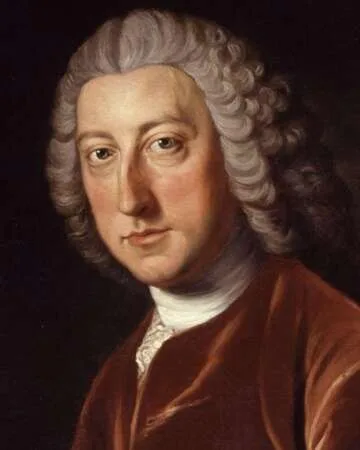
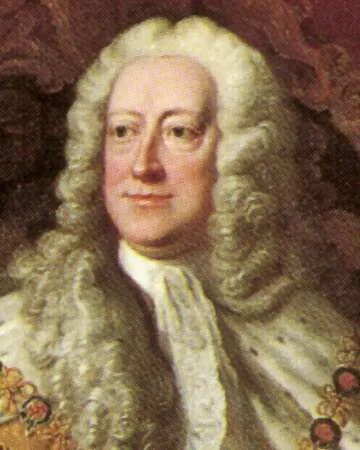
The Political Landscape of 1757
In the year 1757, the political arena in Great Britain was transforming rapidly. King George II was grappling with the pressures of the ongoing Seven Years' War, which had put enormous strain on his government. Amid this turmoil, one man, William Pitt the Elder, had emerged as a formidable force within the Ministry. Known for his persuasive rhetoric and innovative strategies, Pitt had garnered immense public support and initiated decisive military actions that increased Britain’s standing across Europe and the colonies.
However, not all members of the government supported Pitt’s aggressive approach, leading to an intense struggle for power. In July 1757, King George II made a stunning decision that would alter the course of British politics: he dismissed Pitt from his position as the Secretary of State for the Southern Department. This unexpected dismissal marked a pivotal moment in British history, illustrating the tensions between the monarchy and political leadership during a period of crisis.
William Pitt's Rise to Power
Pitt's ascent to prominence was driven by his ability to articulate the desire for victory and enhance British military prowess. His advocacy for increased military expenditure and recruitment provided Britain with a strong fighting force, enabling victories in several key battles during the Seven Years' War. His charisma and vision engaged Parliament and the public alike, making him a central figure in the government.
Dismissal by King George II
The tension between Pitt and King George II culminated in his dismissal after a dispute regarding military strategy and patronage. The King preferred a different approach, favoring more traditional methods and certain political allies. Despite Pitt's significant contributions, his radical ideas provoked fear among some members of the establishment, ultimately leading to his removal from office.
The Aftermath of Pitt's Dismissal
Pitt's dismissal did not end his political career; rather, it marked a significant turning point that set the stage for his later return to power. His policies and vision influenced the direction of British governance, and he remained a powerful voice in political debates. Following his exclusion from the government, he garnered further public support, as citizens rallied behind his vision for military and colonial expansion.
The Public Response to Pitt's Dismissal
The dismissal of such a popular figure as Pitt created a backlash among the British public. Many viewed this action as a betrayal of their hopes for success in the ongoing conflict and as a reflection of the monarchy's unwillingness to embrace progressive leadership. This led to heightened tensions within the political fabric of Britain.
Pitt's Return to Power
Although dismissed, Pitt would eventually return to prominence after King George II's death in 1760, when he was reinstated in the government. His ideas had a lasting impact on British foreign policy, influencing Britain’s expansionist strategies that would dominate the subsequent century.
Fun Fact
William Pitt’s Notable Achievements
Known as the "Great Commoner," William Pitt was the first Prime Minister to directly appeal to the common people of Britain, significantly changing the expectations of political leaders.
Additional Resources
Recommended Reading on William Pitt the Elder
For a deeper exploration of William Pitt’s life and influence, consider reading "William Pitt the Elder: The Great Commoner" by David H. Carter and "The Life of William Pitt" by Charles MacFarlane.











 Continue with Google