


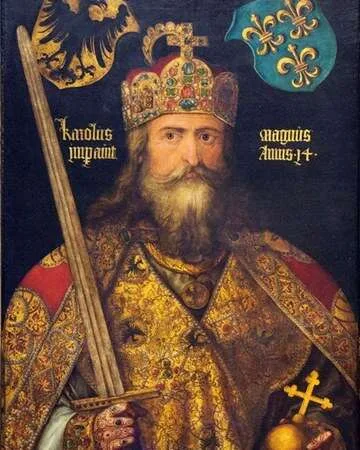
A Historic Confirmation: The Donation of Pipin
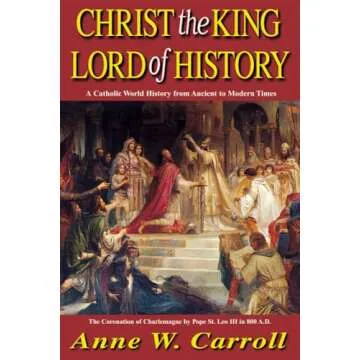
The Donation of Pipin in 774 marked a significant moment in the history of the relationship between the Frankish monarchy and the papacy. This event took place when Charlemagne, also known as Charles the Great, confirmed the land grants made by his father, Pepin the Short, to the Pope. These territories, previously part of Ravenna in central Italy, were directed towards the strengthening of the church’s power in an era when the influence of the papacy was becoming paramount.
Charlemagne’s act not only solidified his father’s earlier donation but also established a precedent for the church's political and territorial authority, setting the stage for what would be known as the “Papal States.” By bestowing these lands upon the Pope, Charlemagne was effectively intertwining the destiny of the Frankish Kingdom with the fate of the Catholic Church.
The Historical Impact of the Donation of Pipin
The implications of the Donation of Pipin were far-reaching. It represented a shift in how political power was perceived in Western Europe, where the sanctity of the church began to intersect with royal authority. Charlemagne, known for his military campaigns and administrative reforms, understood that securing the loyalty of the papacy was crucial for unifying his empire and legitimizing his rule. Through this donation, he not only inherited his father's legacy but also laid the groundwork for future collaborations between the church and state.
Charlemagne's Role in Securing the Donation
Charlemagne's proactive confirmation of the donation was a strategic maneuver. By recognizing and reaffirming his father's grants to the Pope, Charlemagne was sending a clear message of support for the papacy. This not only enhanced his authority as king but also helped him gain the church's blessings for his future conquests and reign. His actions showed a deep understanding of the political climate of his time, and in doing so, he became a pivotal figure in establishing the close ties between the Frankish Empire and the Catholic Church.
The Beginning of the Papal States
The Donation of Pipin was a turning point that laid the foundation for the formation of the Papal States. This region would grow to encompass considerable parts of central Italy, providing the Pope with both the spiritual and material resources necessary for exercising power. Over the years, these territories would become a vital asset, enabling the church not just to spread its influence, but also to secure a level of autonomy from secular rulers.
The Evolution of Papal Authority
As the Papal States expanded, the Pope’s role transitioned from being a purely spiritual leader to a political authority in Italy and beyond. The Donation of Pipin marked the beginning of this transformation, showcasing the interconnectedness of political and religious spheres during the medieval period. Charlemagne’s involvement underscored the mutual benefits that could arise from strong alliances between secular rulers and the church.
Long-lasting Consequences of the Donation
The consequences of the Donation of Pipin echoed through centuries, affecting the Catholic Church's role in European politics. The support and land granted to the Pope paved the way for future confrontations between church and state, which would define much of medieval history. This event is remembered as a cornerstone in establishing the Vatican's earthly authority within the tapestry of European history.
Fun Fact
Charlemagne’s Legacy Beyond the Donation of Pipin
Interestingly, Charlemagne is not just known for his donation to the Pope, but he is also credited with the Carolingian Renaissance, a revival of art, culture, and learning based on classical models, which flourished under his patronage.
Additional Resources
Recommended Reading on Charlemagne and the Donation of Pipin
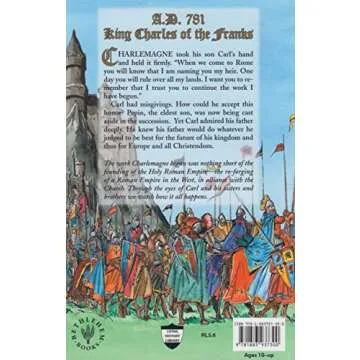
For those interested in learning more about this pivotal event and its protagonist, consider reading "Charlemagne: Father of a Continent" by Donald McKitterick, which provides a comprehensive overview of Charlemagne's life and lasting influence, or "The Pope and the Princes" by Peter Partner, which explores the evolving relationship between the papacy and secular power in medieval Europe.





 Continue with Google