


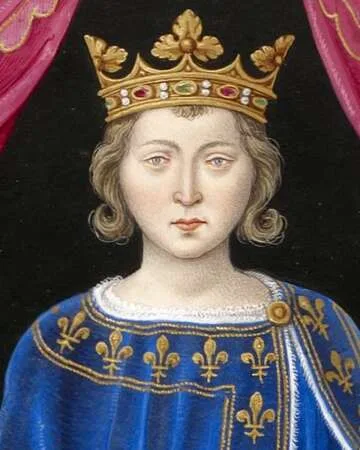
The Last Stand of the Knights Templar
On March 18, 1314, a significant chapter in the history of the Knights Templar came to a tragic close with the execution of Jacques de Molay, the last Grand Master of the order. This event not only symbolized the end of the Templars, who had once been the elite fighting force of the Crusades, but it also marked a pivotal moment in the power struggle between the church and the state, particularly in France.
Jacques de Molay's Leadership
Jacques de Molay, born in 1244, rose through the ranks of the Knights Templar and became the 23rd Grand Master in 1293. His leadership coincided with a period of immense political and financial power for the order. However, as the Crusading era waned, these factors made the Templars increasingly vulnerable to accusations of heresy and treachery. Under de Molay’s command, the Templars faced intense scrutiny as King Philip IV of France sought to consolidate power and eliminate debts owed to the order.
The Downfall of the Templars
In October 1307, a wave of arrests swept through France as King Philip, under pressure and fueled by greed, ordered the capture of de Molay and other Templars. Accused of heresy, blasphemy, and various other crimes, the Templars were subjected to brutal interrogations. The revelations coerced through torture led to mass convictions. De Molay’s fate was sealed when he firmly denied the accusations against his order, choosing honor over deceit.
Trials and Betrayals
The trials of Jacques de Molay and his fellow Templars were marred by injustice. Following lengthy imprisonment, de Molay was eventually tried and found guilty of heresy. On March 18, 1314, he faced the ultimate punishment – being burned at the stake. His execution was not just a punishment but also a powerful display of Philip IV's authority over the church and the orders that threatened his power.
The Final Moments of Jacques de Molay
In his final moments, Jacques de Molay is said to have maintained his innocence, calling out to the heavens and proclaiming that he was wrongfully condemned. As the flames engulfed him, he famously declared a curse upon King Philip IV and Pope Clement V, calling for divine retribution for the injustices he suffered. This moment continues to resonate through history as a testament to his dedication and the indomitable spirit of the Templars.
The Aftermath and Legacy
Following de Molay’s execution, the Knights Templar faded into obscurity, but their legacy endured. The tales of their valor and the dramatic downfall of their order have inspired countless legends, books, and films. The execution of Jacques de Molay is often regarded as a symbol of resistance against tyranny and is a poignant reminder of the fragility of power.
Fun Fact
Jacques de Molay's Interesting Legacy
Interestingly, Jacques de Molay’s curse is said to have foreshadowed the untimely deaths of both King Philip IV and Pope Clement V within a year of his execution. This has led many historians to speculate about the nature of his final words and the possible implications of divine justice.
Additional Resources
Recommended Reading on Jacques de Molay
For those interested in diving deeper into the life and times of Jacques de Molay, consider reading The Last Templar by Raymond Khoury, which combines historical fact with fiction, exploring the aftermath of the Templars’ demise. Another great resource is Crusader Kings: The Rise and Fall of the Knights Templar by Dan Jones, which provides a comprehensive history of the order.







 Continue with Google