


Introduction to the 1892 Cattle Tuberculosis Test
In 1892, a significant milestone in animal health was achieved with the introduction of the first official cattle tuberculosis test in the United States at Villa Nova, Pennsylvania. This test marked a pivotal moment not only in veterinary medicine but also in the broader field of public health, as tuberculosis was a significant threat to livestock and subsequently to the food supply.
The Need for a Cattle Tuberculosis Test
Before the development of the cattle tuberculosis test, farmers and veterinarians faced substantial challenges in identifying infected animals. Tuberculosis, caused by the bacterium Mycobacterium bovis, could spread through herds with devastating consequences. The need for a reliable testing method was pressing to protect livestock, ensure animal welfare, and safeguard public health.
Implementation of the Test in Villa Nova
The test introduced in 1892 in Villa Nova was groundbreaking. Using a method developed by experts, it allowed for the accurate diagnosis of tuberculosis in cattle. This was achieved through the observation of physiological responses after introducing a specific tuberculin solution, leading to the identification of infected animals.
Impact on Agriculture and Public Health
The introduction of the cattle tuberculosis test reshaped the agricultural landscape in the United States. With a reliable method to identify and manage infected animals, farmers could make informed decisions, reducing the spread of the disease within herds and in some cases leading to better economic outcomes.
Cattle Tuberculosis and Economic Consequences
Before the testing became widespread, tuberculosis can caused significant economic losses in the cattle industry due to decreased milk production and animal deaths. Implementing the cattle tuberculosis test enabled farmers to control outbreaks effectively, promoting healthy herds and restoring consumer confidence in dairy and meat products.
Legacy of the First Cattle Tuberculosis Test
The legacy of the first cattle tuberculosis test resonates today. It laid the foundation for later advancements in veterinary diagnostics and established protocols that improved animal health standards across the country. With ongoing vigilance, farmers and veterinarians continue to combat livestock diseases, building on the progress initiated in the 19th century.
Fun Fact
An Interesting Fact about the Cattle Tuberculosis Test
Interestingly, the first tunerculin test for cattle tuberculosis was developed by Robert Koch, a German physician and microbiologist, earning him a Nobel Prize in Physiology or Medicine in 1905. His work not only influenced veterinary practices but also advanced our understanding of infectious diseases in humans.
Additional Resources
Recommended Reading on Cattle and Veterinary Health
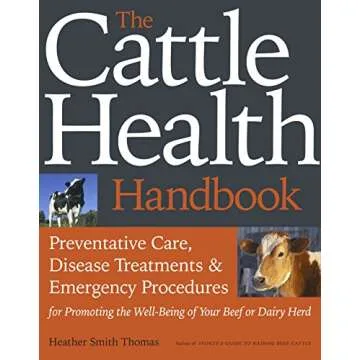
For those interested in delving deeper into the history and implications of veterinary health, some recommended books include The Cattle Health Handbook and Animal Health and Disease. These texts provide in-depth insights on the management and care of livestock health and welfare.






 Continue with Google