


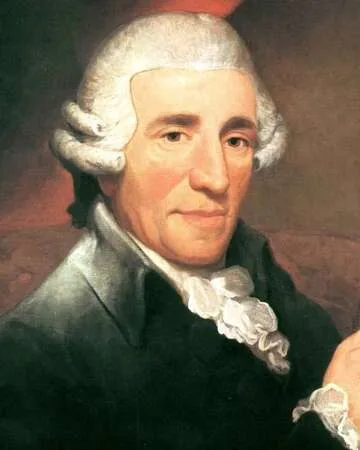
The Premiere of Haydn's 101st Symphony: A Musical Milestone
On a memorable evening in 1794, the music world was graced with the first performance of Joseph Haydn's 101st Symphony in D major, famously known as "The Clock." This remarkable work premiered at the Hanover Rooms in London, encapsulating the essence of Haydn's innovative style and his profound impact on the symphonic genre. The symphony earned its nickname from a distinctive ticking rhythm, evocative of a clock, which is heard prominently in the second movement.
Joseph Haydn: The Mastermind Behind 'The Clock'
Joseph Haydn, often referred to as the "Father of the Symphony," was born in 1732 in Rohrau, Austria. His innovative contributions to music, particularly in developing the symphonic form, are celebrated worldwide. During his time in London, Haydn experienced a flourishing career, where he composed some of his most significant works, including Symphony No. 101. This piece reflects his mastery and ability to engage audiences with fresh and lively themes.
The Unique Character of Symphony No. 101
Symphony No. 101, composed in 1793-94, showcases Haydn's unique personality through its playful rhythms and elegant orchestration. The second movement, marked "Andante," features the clock-like motif, which is not only captivating but also illustrates Haydn's ability to blend humor with artistry. This symphony played a crucial role in ensuring Haydn's place in the musical canon as a composer who deeply understood both structure and expression.
A Transformative Era in Music
The 18th century was a transformative period in music, with composers like Haydn redefining symphonic conventions. With the first performance of "The Clock," the audience in London was treated to a groundbreaking experience that further solidified Haydn's reputation as a master composer of the Classical era.
The Audience's Reception of 'The Clock'
The premiere of Symphony No. 101 was met with enthusiastic applause, showcasing the piece's immediate popularity among the audience. Music lovers and critics alike were enchanted by its innovative rhythms and rich melodies, leading to further performances and cementing Haydn's legacy in the orchestral repertoire.
Haydn's Relationship with the London Music Scene
During his trips to London, Haydn developed a thriving partnership with local musicians and audiences. His experience performing for diverse crowds in the city contributed to the creation of works that were not only historically significant but also appealing to the public. Symphony No. 101 is a testament to this successful collaboration between Haydn and the vibrant London culture of the time.
Fun Fact
A Quirky Note on 'The Clock'
Besides its famous nickname, Haydn's 101st Symphony has another interesting fact. It is said that the symphony's ticking motif was inspired not only by actual clocks but also by the punctuality of London life during the 18th century. This reflection of everyday reality in music showcases Haydn's ability to draw inspiration from his surroundings.
Additional Resources
Recommended Reading on Joseph Haydn
For those interested in exploring more about Joseph Haydn and his fascinating works, consider reading "Haydn: His Life and Music" and "The Life of Haydn". These texts offer a deeper insight into his life, his music, and the historical context in which he composed.






 Continue with Google